Fanta, Maggi, KitKat: Why Your Favorite Foods Differ Globally!

Fanta, Maggi, KitKat: Why Your Favorite Foods Differ Globally!
Ever wonder why Fanta tastes different in India than the UK? Explore how global brands like Maggi & KitKat adapt recipes worldwide and the debate over warning labels in India.
Have you ever noticed that your favorite international food and beverage brands, like Fanta, Maggi, or KitKat, seem to taste a bit different depending on where you buy them? It's not just your imagination. A recent deep dive into multinational food practices reveals significant variations in product formulations across different countries, particularly concerning sugar levels and ingredients.
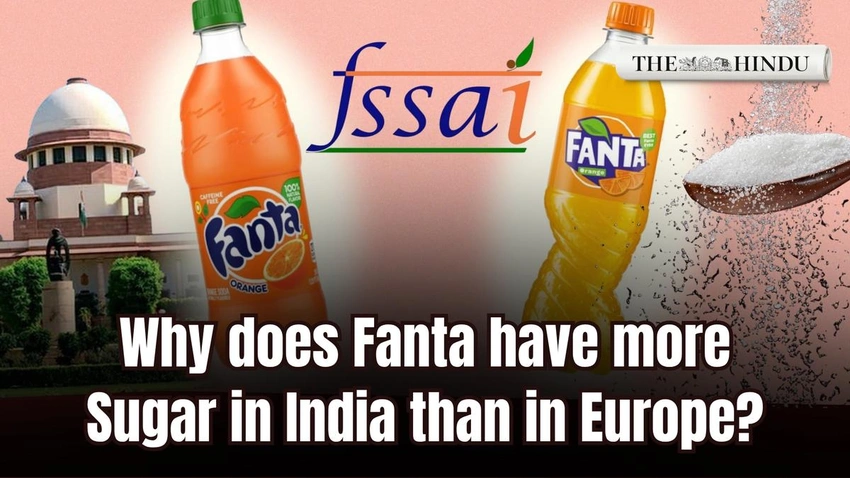
Take Fanta, for example. Reports indicate that the Fanta sold in the United Kingdom contains significantly less sugar than its counterpart available in India. This disparity is often attributed to regulatory environments, such as the "cold drink tax" implemented in the UK, which incentivizes manufacturers to reduce sugar content to avoid higher levies.
Such taxes aim to tackle public health issues like obesity and diabetes by influencing both consumer choices and product formulations.
This phenomenon isn't limited to fizzy drinks.
Iconic brands like Maggi noodles, KitKat chocolate, and even health drinks such as Bournvita also show variations in their ingredient lists and nutritional profiles when compared across different global markets.
Multinational companies often adapt their products to suit local tastes, ingredient availability, cost considerations, and, crucially, the varying regulatory landscapes of each country. What might be acceptable or preferred in one region could be restricted or unpopular in another. In India, this discussion gains further urgency with the ongoing debate surrounding front-of-pack warning labels (FOPL).
Consumer advocates and health experts have been pushing for clear, concise warning labels on packaged foods to alert consumers about high levels of sugar, salt, or fat. However, this initiative has faced significant challenges and remains unresolved.
The lack of standardized, mandatory warning labels means consumers might be less aware of the nutritional content of products manufactured and sold within the country, especially when compared to stricter labeling requirements in other parts of the world.
Understanding these differences highlights the complex interplay between global corporations, local cultures, and public health policies.
It also underscores the importance of transparent labeling and robust regulations to ensure consumers are well-informed about what they are consuming, regardless of where they live.

Login to comment.
No thots yet. Be the first to share your thoughts!