Samsung Galaxy Glasses Unveil Revolutionary Features With Gemini AI Integration

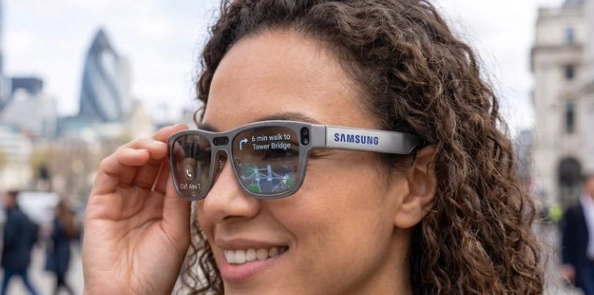
Samsung Galaxy Glasses Unveil Revolutionary Features With Gemini AI Integration
Samsung unveils Jinju, a featherweight AR glasses line designed for daily comfort and AI-driven performance. The initial model omits built-in displays, with a micro-LED Haean version planned for 2027.
Samsung Galaxy Glasses are set to change the smart eyewear market when they launch later this year. The South Korean tech giant’s first extended reality device will feature advanced AI technology in a lightweight design that competes with Meta’s popular Ray-Ban smart glasses.
Lightweight Design Meets Cutting-Edge Technology
The device, known internally as “Jinju,” will not weigh down users with heavy hardware. Samsung’s engineers have designed a 50-gram frame that focuses on daily comfort instead of unnecessary features. Unlike traditional headsets, these glasses fit easily into everyday life while offering strong computing power.
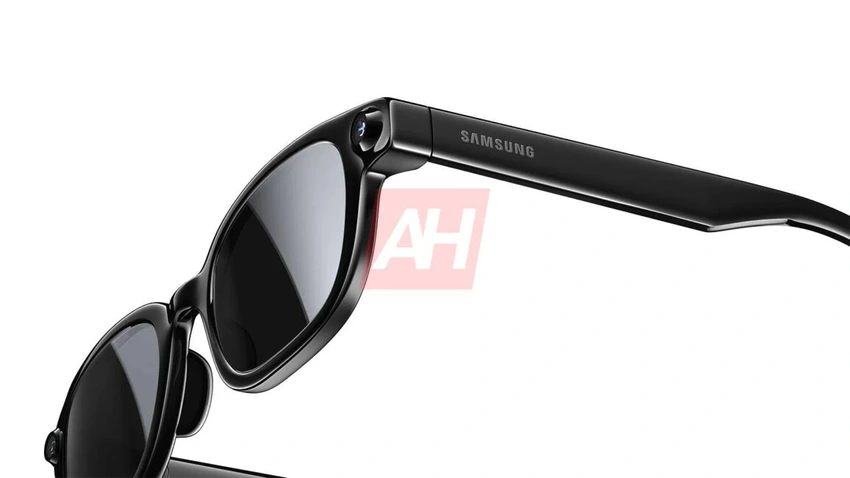
The initial model does not include built-in displays. This simple design keeps the weight low and the battery life manageable. However, Samsung is planning a second model called “Haean” with micro-LED displays, expected in 2027.
Technical Specifications Drive Performance
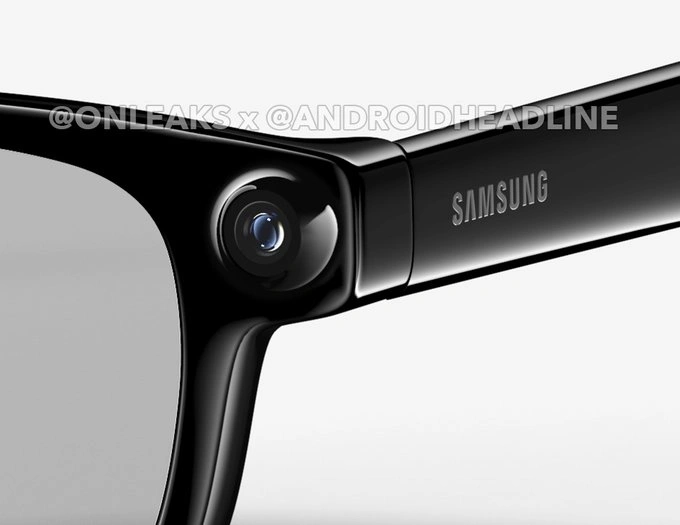
At the core is Qualcomm’s Snapdragon AR1 processor, designed for augmented reality applications. The chip works with a 155mAh battery, smaller than Meta’s 248mAh unit but adequate for display-free use. A 12-megapixel Sony IMX681 camera takes eye-level footage, while directional speakers provide audio output.
Connectivity options include Wi-Fi and Bluetooth 5.3. Photochromic lenses adjust automatically to changing light conditions, eliminating the need for separate sunglasses. Samsung has also patented bone-conduction audio technology, though it’s unclear how it will be used.
Gemini AI Powers Smart Features
Google’s Gemini AI acts as the brain of the glasses. This integration allows for real-time translation, navigation help, weather updates, and message summaries without needing a smartphone. The AI understands visual context and analyzes objects and scenes to give relevant information right away.

Samsung co-developed Android XR with Google for this platform. The same operating system is used on its Galaxy XR headset, indicating a unified ecosystem approach.
Pricing Positions Against Competitors
Industry sources estimate the price will be between $379 and $499 for the base model. This pricing directly competes with Ray-Ban Meta glasses while offering a lower price than premium options. The 2027 model with displays will come at a significantly higher cost, though exact amounts are not confirmed.
Samsung has teamed up with fashion brands Gentle Monster and Warby Parker to create stylish versions. These collaborations could broaden the Galaxy Glasses market from tech enthusiasts to mainstream fashion consumers.
The Galaxy Glasses mark Samsung’s boldest move into wearables since it entered the extended reality market with its XR headset. By offering affordable pricing, lightweight design, and strong AI features, Samsung hopes to make smart glasses practical for everyday users, not just early adopters.
#SamsungGalaxyGlass #ARGlasses #Wearables #TechNews #Innovation
