US Threatens Strait of Hormuz Blockade as Iran Mine Chaos Unfolds

US Threatens Strait of Hormuz Blockade as Iran Mine Chaos Unfolds
Tensions spike as the US signals action in the Strait of Hormuz amid Iran's mine chaos, while warnings over arms shipments to Tehran from China surface.
Global tensions rose as Washington signaled a blockade of the Strait of Hormuz amid reports that Iranian forces had planted mines to disrupt shipping. Officials note that the move follows statements about progress in peace talks with Tehran, but Iran has not backed away from its nuclear stance. The situation keeps the sea lane—the globe’s energy artery—under a cloud of uncertainty.
In the strait’s first phase of a clearing mission, a US-led task force began operations after Iran’s mining actions disrupted commercial traffic. Sources describe Iranian forces using small boats and decentralised units for the mining, with limited mapping or coordination that complicated navigational efforts. The aim of the operation is to restore safe passage while avoiding broader confrontation, but the risks of miscalculation remain high as ships inch through clogged lanes.
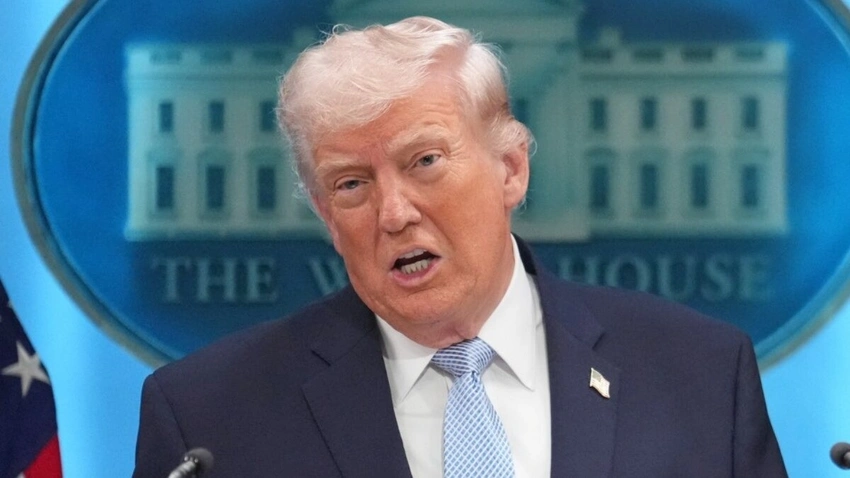
Complicating the picture, President Donald Trump warned China over unconfirmed reports that Beijing may be preparing to deliver air-defense systems to Tehran within weeks. He said China would face “big problems” if it arms Iran, a message delivered as intelligence circles circulated claims of Beijing routing shipments through third countries to mask origin. China has denied the accusations, voicing a commitment to international obligations and urging the US to avoid sensationalism while keeping channels open for de-escalation. The episode comes as Beijing planned talks with Chinese President Xi Jinping in the near term, even as Tehran and Washington negotiations in Islamabad reportedly stalled.
The Islamabad talks recently collapsed without a breakthrough, underscoring the fragility of any potential diplomacy and leaving Iran’s red lines intact. Analysts warn that coupling mine threats, possible external arms support, and talk of a blockade risks broader escalation. Yet others emphasize the importance of de-escalation, calling for renewed dialogue to keep the vital Hormuz passage open and protect regional and global stability.
