Fiona Apple’s Voice Rewrites Vulnerability and Revolt

Fiona Apple’s Voice Rewrites Vulnerability and Revolt
Fiona Apple’s Voice Rewrites Vulnerability and Revolt
Explore how Fiona Apple's piano, silence, and irregular rhythm fuse confession, poetry, and therapy, redefining what singer-songwriter vulnerability sounds like from Tidal to Fetch the Bolt Cutters.
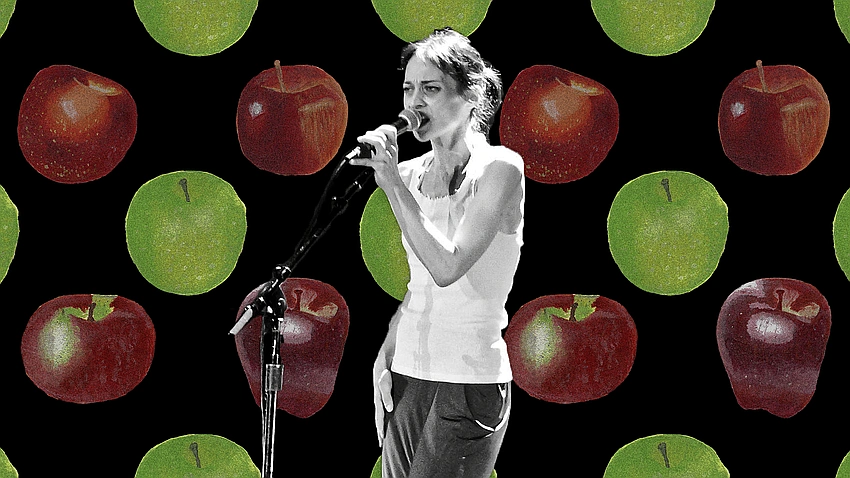
There’s an incandescence to Fiona Apple that refuses easy placement: she is at once a classically trained pianist, a barbed lyricist and a performer who uses silence and irregular rhythm like rhetorical devices. Her career from the raw ache of Tidal through the daring domesticity of Fetch the Bolt Cutters reads less like a sequence of pop releases and more like a series of interventions into how we expect vulnerability to sound.

Voice as method
Apple’s voice isn’t merely vocal timber; it is an instrument of meaning-making. Trained on piano, she organises songs around pattern and interruption rather than neat verse–chorus logic. That structural restlessness lets her place confession beside theatrical attack, or invite the listener into a private cadence only to destabilise it with percussion that feels like a neighbour beating a pan. Critics have noted how this approach expands the category of what singer-songwriting can hold compressing poetry, argument and therapy into the same thirty-odd minutes.
Albums as stages of argument
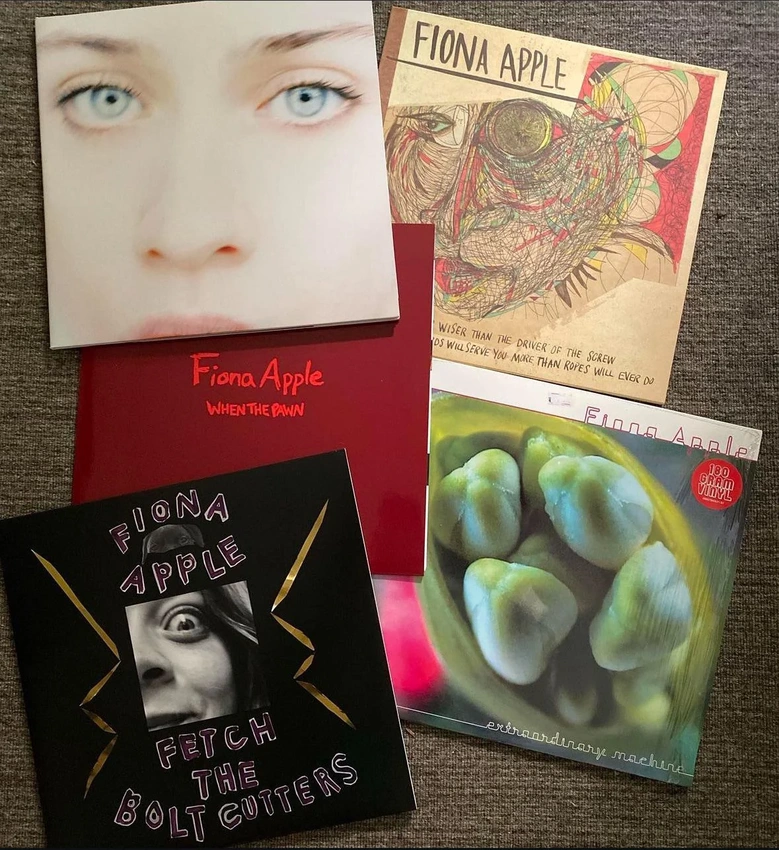
Apple’s records act like successive stances. Tidal announced a precocious intelligence and an unsettling frankness; the single “Criminal” turned courtroom candour into pop dynamite. When the Pawn… pushed back against the reductive cultural narratives that had haemorrhaged around her, revealing a composer who could weaponise tenderness and sarcasm in equal measure. Across the decades, she has refused reinvention for its own sake; instead each record reframes the terms of her ongoing conversation with fame, intimacy and agency.
Fetch the Bolt Cutters: liberation in the margins
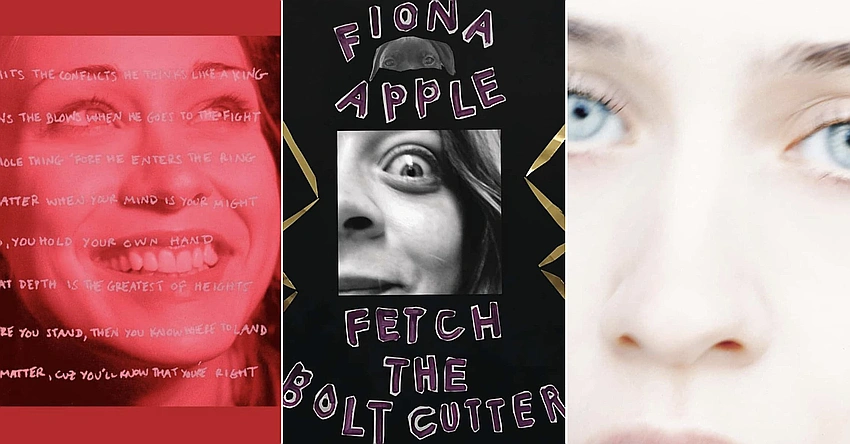
Fetch the Bolt Cutters crystallised something long present in Apple’s work: a politics of domestic space and of liberated sound. Recorded largely at home and populated by found percussion and household choirs, the album reads like an argument for making art from the overlooked acoustics of ordinary life. Released in 2020, its timing in the early months of global lockdowns lent the record a strange, communal pertinence; it sounded like resilience and radical honesty at once. Many critics treated it as a career high, an album that rearranged expectations for mainstream alternative music.
Recognition and contradictions
Awards and lists can only ever be blunt instruments for measuring influence, yet they matter for the story they tell about cultural uptake. Fetch the Bolt Cutters won the Grammy for Best Alternative Music Album (and Apple took Best Rock Performance for “Shameika”), a formal acknowledgement that the industry for all its conservatism could be made to recognise the power of an album explicitly built around domestic textures and emotional labour. That recognition has its own tensions: Apple has long been wary of celebrity rituals and publicity, and her relationship with institutions remains complicated and sceptical.

The stubbornness of honesty
Apple’s work is often read through headlines as temper, trial, “difficult woman” but the songs and their arrangements ask for a different frame: stubborn ethical honesty. She writes with an insistence on naming the precise sensation of being misread, of being harried by expectation, or of surviving small violences. This insistence has made her a touchstone for listeners who seek music that refuses to soothe by omission; instead, she insists music can both wound and repair by attending to detail.
Influence without mimicry
To talk about influence here is not to chart a genealogy of mimicry but to trace a contagion of permission: Apple’s success with irregular forms and confessional bluntness has enlarged the field for artists who want to register interiority without the safety net of conventional pop polish. Her example makes it possible to imagine commercial and critical success without dissolving complexity into palatable feeling. That kind of legacy which is both aesthetic and ethical reverberates in artists who place risk over formula.
A living archive
Fiona Apple’s legacy is not a neatly shelved catalogue but a living archive of strategies for speaking and withholding, for building intimacy from fragments, and for refusing commodified vulnerability. Her music resists summary because it refuses the compromises that make summarisation painless. If we think of pop culture as a conversation about how to feel and who gets to perform those feelings publicly, Apple insists on being the interlocutor who interrupts, corrects and sometimes dismantles the question itself.
#FionaApple #MusicCritique #SingerSongwriter #PianoDriven #VoiceAsInstrument
