Gen Z's Secret Weapon Against Work Stress? Movie Naps & Retail Cries

Gen Z's Secret Weapon Against Work Stress? Movie Naps & Retail Cries
Gen Z is revolutionizing stress relief, transforming movie theaters and fitting rooms into unexpected sanctuaries. Dive into why young workers are seeking solace in unconventional spaces.
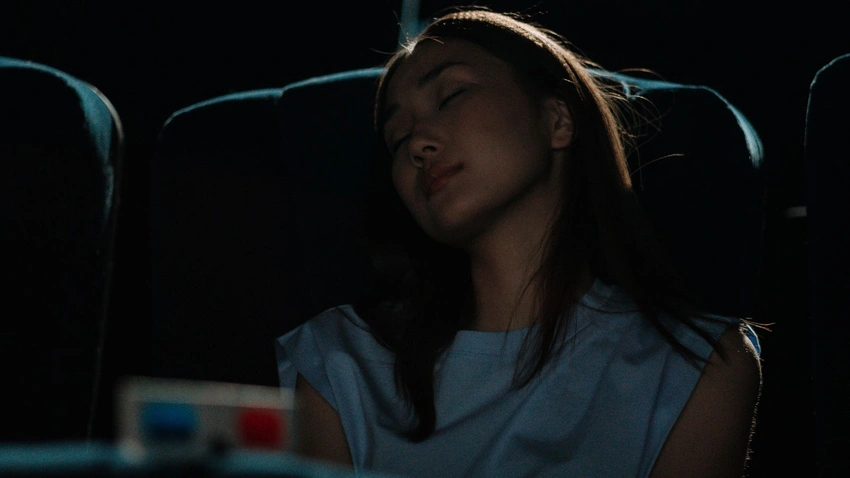
The image might seem like internet lore, a young professional, mid-workday, slipping into a movie theatre for a quick nap or retreating to a fitting room to shed a few tears. But let's be clear: this isn't a joke. It's a very real, very telling trend among Gen Z and Zillennial employees who are ingeniously carving out temporary havens from the relentless pressures of modern work.
We're seeing a fascinating evolution in how younger generations cope with the grind.
Forget the coffee break; these workers are finding solace in spaces like train stations, quiet parks, and yes, even cinema seats and retail changing rooms. It's a stark reflection of a workforce desperately seeking moments to decompress and recharge before diving back into their demanding schedules.
Take Ben Sanderson, a New York worker who famously bought a $15 movie ticket not for the film, but for a 90-minute power nap in a reclining seat. His verdict? 'I had one of the best naps of my life.' His TikTok post wasn't just a quirky anecdote; it resonated deeply, sparking a wave of similar stories and creative coping strategies.
Another creator even mapped out 'cry it out' spots across New York: subway stations, the Williamsburg Bridge, and Zara Soho's fitting rooms, specifically noting, 'You can feel safe losing it there.' These aren't just isolated emotional outbursts; they're symptoms of a larger, systemic issue.
The data supports this: nearly half of Gen Z office workers admit to crying due to workplace stress. It's about a deep-seated disillusionment. Since 2023, Gen Z has been candidly labeling traditional nine-to-five roles as 'soul-sucking,' with many seriously re-evaluating corporate career paths altogether.
A major UK survey even found that about 40% of young hires considered quitting within their first year.
What's fueling this exodus to unconventional sanctuaries? It's a perfect storm: the return-to-office mandates clashing with a preference for flexibility, a noticeable rise in workplace incivility, the enduring challenge of toxic management, the looming specter of AI threatening entry-level jobs, and the ever-present weight of financial pressures.
These factors combined leave many young workers feeling trapped, looking for any port in the storm.
So, when you see someone ducking into a movie theatre mid-day or disappearing into a fitting room for a bit longer than expected, perhaps they're not just shopping or catching a matinee. They might be part of a generation finding incredibly creative, if somewhat desperate, ways to simply survive and maintain their mental well-being in a work world that often feels relentless.
It's a clear signal that something needs to change in our approach to employee support and workplace culture.
