Musk vs OpenAI Trial Could Redefine the AI Landscape

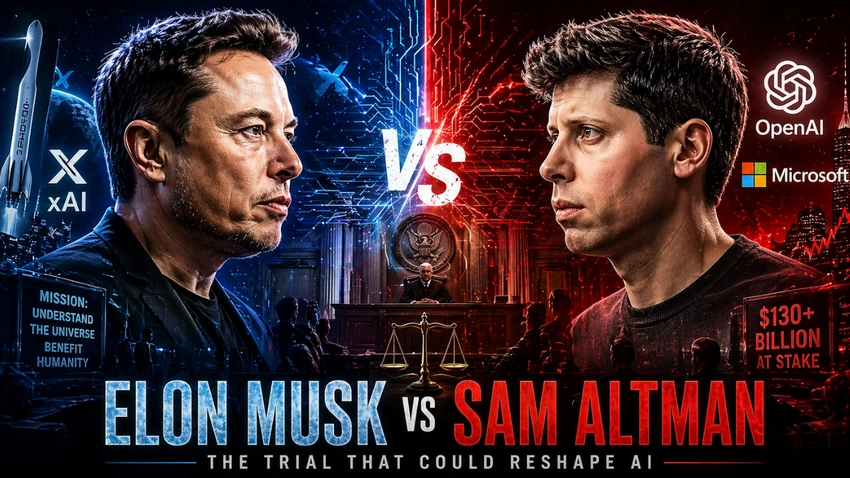
Musk vs OpenAI Trial Could Redefine the AI Landscape
Elon Musk leads a high-stakes Oakland court clash with OpenAI and Microsoft, challenging the nonprofit roots of OpenAI and probing the future of AI safety.
A high-stakes courtroom clash across the bay from San Francisco has Elon Musk taking aim at OpenAI and Microsoft, alleging that the AI lab has abandoned its founding nonprofit mission in favor of a for-profit model that enriches its leaders and investors. The case, filed in Oakland, centers on whether OpenAI's corporate pivot compromises the promise that artificial intelligence should benefit humanity.
Musk, a co-founder who once supported OpenAI, argues the shift away from nonprofit roots betrays the ethos that powered the lab's early work, including safety-focused research. He contends the move to a for-profit structure has disproportionately benefited top executives and major backers, while potentially compromising the original mission. The filing suggests that the transformation could force changes in OpenAI’s governance and how it partners with powerful entities, including Microsoft, the software giant tied to OpenAI through significant investments.
OpenAI’s leadership, led by CEO Sam Altman, counters that the new structure accelerates safe AI development and broad access to powerful tools like theChatGPT maker’s offerings. Supporters say the shift funds ambitious research, expands safety protocols, and helps bring groundbreaking AI capabilities to a wider audience. The trial could redefine how OpenAI is funded, how it measures success, and how it balances public benefit with investor expectations, with potential ripple effects across the AI industry.
Analysts note that a ruling could push OpenAI to rethink for-profit arrangements, licensing models, and flagship products, potentially reshaping partnerships and product strategies. The proceedings also spotlight broader debates about AI governance, safety standards, and the accountability mechanisms that govern breakthroughs in machine learning. The courtroom drama is not just about one company but about the direction of AI research, investment, and responsibility in the tech era.
As the case unfolds, observers will watch whether the judge’s ruling could set new precedents for how nonprofit missions are preserved or redefined in the era of rapid AI commercialization. The outcome may influence investors, competitors, researchers, and users who rely on AI tools daily, underscoring that this is about more than personalities—it's about the future path of a technology that is reshaping work, life, and how society negotiates risk and reward.
