Geneva Talks Tense as IRGC Drills Near Hormuz Strait

Geneva Talks Tense as IRGC Drills Near Hormuz Strait
Iran, diplomacy in focus in Geneva as Araghchi leads talks with the U.S. and IAEA while IRGC conducts live-fire drills near the Hormuz Strait.
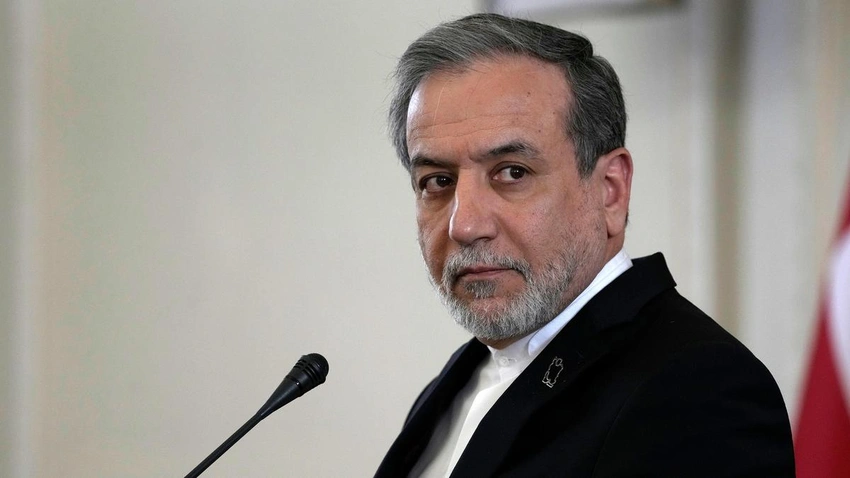
Iran’s Foreign Minister Abbas Araghchi arrived in Geneva for a second round of nuclear talks with the United States and technical discussions with the IAEA, as Washington has deployed a second aircraft carrier to the region amid heightened tensions in the Persian Gulf. While diplomacy is set to continue in the Swiss city on Tuesday, the naval forces of the IRGC have begun live-fire drills near the Strait of Hormuz, a critical chokepoint linking the Persian Gulf with the Arabian Sea. The drills, named Smart Control of Hormuz Strait, are described as a test of readiness for potential security threats facing IRGC naval units.
In Geneva, the talks are being mediated by Oman and aim to bridge gaps on a new nuclear deal, with high-level discussions and technical exchanges prioritized by both sides. Araghchi wrote on social media that the goal is a fair and equitable agreement and that submission before threats is not on the table. The United States has signaled readiness to negotiate, even as it maintains a firm stance on unacceptable denials or coercion.
IAEA Director General Rafael Grossi said he had in-depth technical discussions with Araghchi ahead of the talks, following Iran’s decision to suspend access to certain IAEA facilities after last year’s escalation. Earlier meetings, including one in Muscat, laid groundwork for this round, but the path to a deal remains complex.
The IRGC drill aims to demonstrate operational readiness and review support programs for potential scenarios in the Hormuz Strait, with state media underscoring that the exercise is designed to prepare for diverse threats. Major General Mohammed Pakpour, the IRGC’s chief commander, is supervising the drills. Analysts note that the simultaneous push for diplomacy and signaling of deterrence reflects a fragile balance in a region where missteps could have wide ripple effects.
As negotiations unfold in Geneva and the Strait remains a focal point of regional security concerns, observers say continued dialogue, careful messaging, and verified concessions will be essential to avoiding a costly escalation.
