Canada-South Korea Auto Deal Signals Trade Shift Away From U.S.

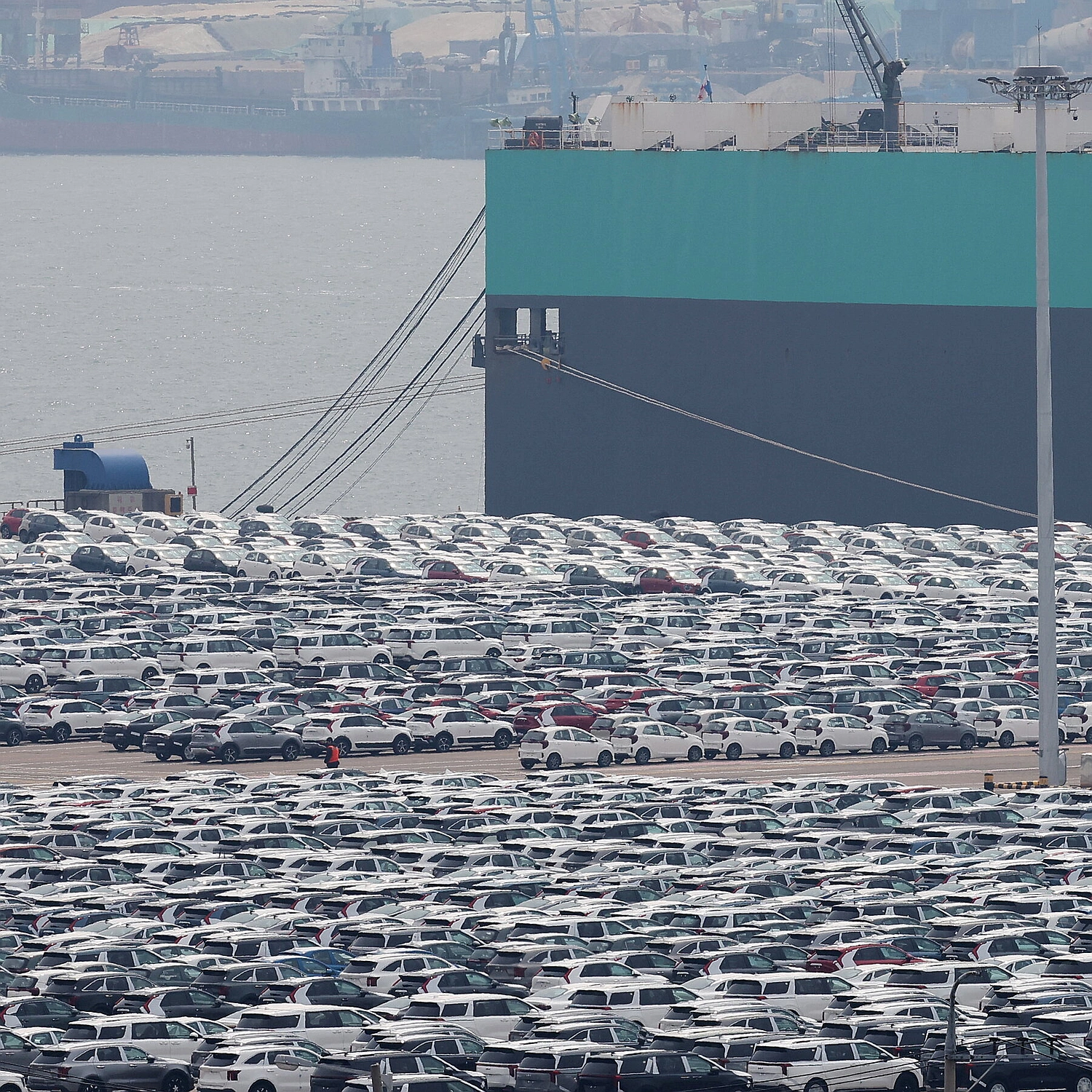
Canada-South Korea Auto Deal Signals Trade Shift Away From U.S.
Ottawa signs an auto pact with Seoul, signaling Canada’s push to diversify trade away from the United States and broaden ties with Asia.
Ottawa on Thursday announced a new auto trade deal with South Korea, signaling a broader shift in Canada’s approach to trade and supply chains. The agreement, described by officials as a strategic move to diversify away from near-total reliance on the U.S., aims to strengthen automotive ties with Asia and boost Canada’s role in regional manufacturing networks.
Details on the deal remain scarce, with officials saying the pact focuses on the automotive sector and could remove or reduce barriers to cross-border investment and collaboration. No grand tariff cuts were disclosed, but the government stressed that the pact will support Canadian jobs and innovation by opening Korean markets to Canadian-made vehicles and components, while giving Canadian buyers greater access to key Asian suppliers.
Industry analysts say the agreement’s real test will be in the coming months as negotiators finalize schedules, rules of origin, and investment commitments. The move fits into a wider government strategy to rebalance trade away from a heavy U.S. dependency amid global protectionism and shifting supply chains. Supporters argue it will spur competition, invite new investment, and diversify risk.
Critics caution that without clear details, the deal could be symbolic rather than game-changing, and worry about potential disruption to established cross-border auto supply chains with the United States. Still, Ottawa portrays the agreement as a measured step toward resilience in Canada’s auto sector and a signal to global partners that Canada is open for business in multiple regions.
