Senate grills Hegseth over Iran war claims at budget hearing

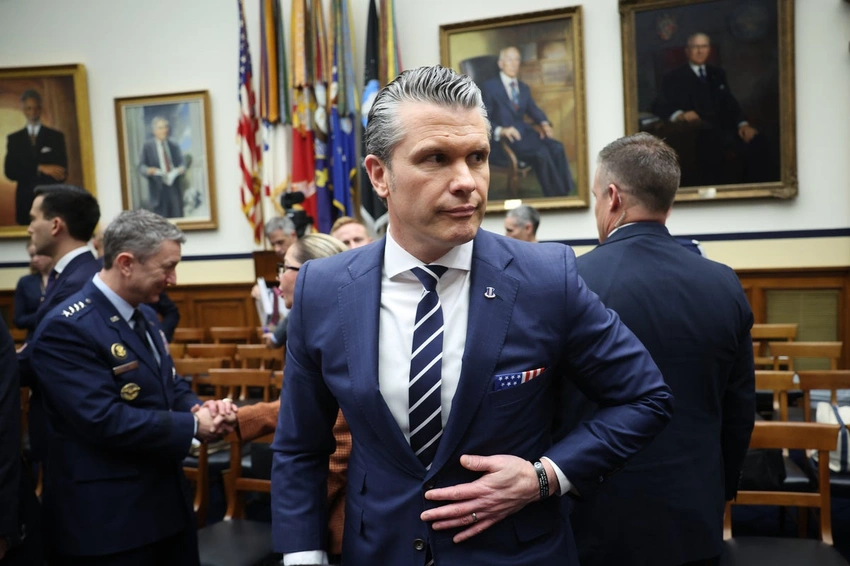
Senate grills Hegseth over Iran war claims at budget hearing
Democrats push back on defense secretary’s Iran war narrative as Pentagon budget hits $1.45 trillion, warning costs to American families and questioning strategy.
Capitol Hill was tense as a Senate budget hearing opened with a sharp confrontation over the war in Iran. Senator Jack Reed, the ranking Democrat on the Senate Armed Services Committee, told Defense Secretary Pete Hegseth that his public statements about the conflict were dangerously exaggerated and failed to give the country an accurate picture.
Reed argued that the eight weeks of fighting have produced no clear victory and that American families are feeling the costs, from higher fuel prices to broader economic strain, even as military casualties mount. He pressed Hegseth for a coherent plan and accused the defense secretary of pursuing a personal agenda rather than laying out a clear strategy for Congress and the public.
The exchange occurred as Hegseth and Dan Caine, chair of the Joint Chiefs of Staff, testified on the Pentagon’s record budget submission, a staggering $1.45 trillion. The hearing highlighted the stalemate in the Iran theater and Tehran’s decision to close the Hormuz Strait, a development that has global implications for energy markets and regional security. Protesters briefly interrupted the session, shouting criticisms before being escorted out and proceedings resumed.
The moment underscored the political tightrope of oversight at a time when the administration argues the war requires substantial force posture and funding, while lawmakers press for accountability and clarity on goals, strategy, and cost. Earlier on Thursday, Democrats in the House offered a blistering critique of Hegseth, describing his remarks as an ongoing performance rather than a credible briefing, signaling that the debate over Iran policy and the budget is far from settled.
With the 60-day mark of U.S. involvement approaching, the hearing captured the broader tension between supporting military actions and demanding parliamentary oversight, a debate that will likely continue as lawmakers weigh the costs and consequences of the conflict.
