Matador & New Talent: Is the 'Major Indie' Still a Game Changer?

Matador & New Talent: Is the 'Major Indie' Still a Game Changer?
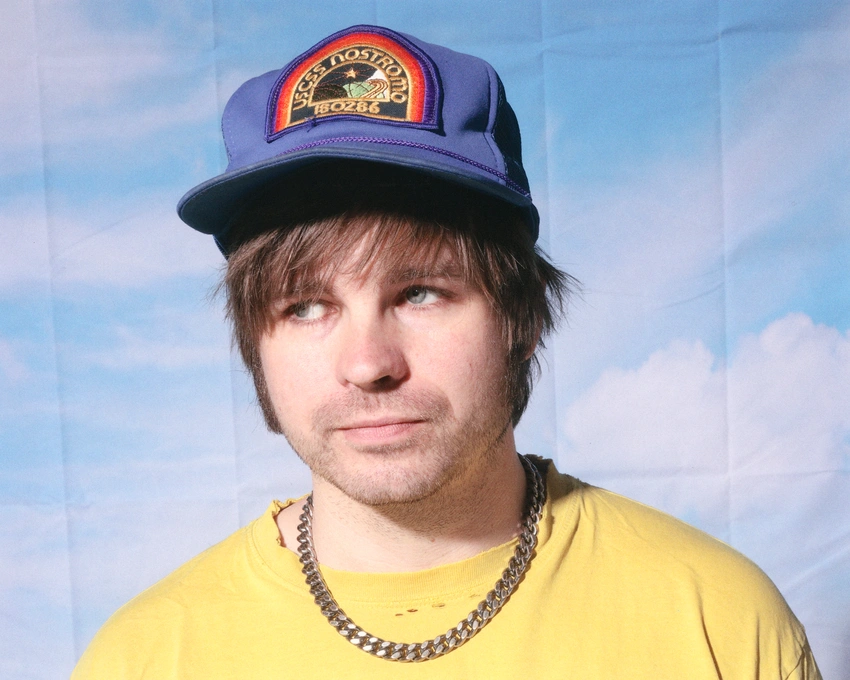
This Is Lorelei's Matador debut has us asking: What does a 'major indie' label offer artists like Nate Amos in today's DIY music world? Is it still the golden ticket?
So, This Is Lorelei, aka Nate Amos, is about to drop his Matador debut, “The Singer in My Band.” We just got the lead single, 'Billy Came Back,' and it’s got everyone talking. But it begs the question: What does a signing like this truly mean in 2024 for an artist already putting out records like 2024’s 'Box for Buddy, Box for Star' (which even saw deluxe editions with covers by folks like MJ Lenderman and Jeff Tweedy) and 2025’s 'Holo Boy' compilation?
Matador has long been a beacon for indie talent, a label synonymous with a certain credible, boundary-pushing music. For decades, getting a Matador deal was a serious stamp of approval, a gateway to broader audiences and industry legitimacy. But in today's hyper-connected, DIY landscape, where artists can self-release, self-promote, and build cult followings from their bedrooms, is the “major indie” label still the golden ticket?
Nate Amos is clearly no stranger to the grind. He engineered, produced, and performed everything on 'The Singer in My Band' himself. He even roped in his dad, bluegrass musician Bob Amos, on banjo, and his sister Sarah Amos and partner Al Nardo for vocals, noting they had a “fundamental impact” on the album.
He's a self-contained unit, churning out albums and famously on the road doing extensive shows as part of Water From The Eyes.
The story behind 'Billy Came Back' itself - 'It kept forgetting about it but it always came back.
Finishing the song was the only way to get it to leave me alone' - shows a deeply personal, artist-driven process.
The Label Advantage Today
So, what does Matador bring to This Is Lorelei? The ability to expand reach, secure tours (like the upcoming UK and Ireland run in November, hitting Bristol, Leeds, Glasgow, London, and more), and provide significant marketing muscle. For an artist like Amos, who has already demonstrated immense productivity and a clear artistic vision, Matador can act as an amplifier, turning a well-established indie artist into a more widely recognized force.
It's about leveraging existing momentum, not necessarily creating it from scratch.
We've even seen the full tracklist, indicating a coordinated rollout a label can provide:
- “I Will Eat My Heart in the Morning Light”
- “Oh No Now My”
- “Billy Came Back”
- “Watching Heaven Fall”
- “Sailing (Your Baby’s Down)”
- “The Singer in My Band”
- “Nitro”
- “Hey Sarah Is It Gonna Rain Forever”
- “The Kid With The Crown”
- “And I Haven’t Seen My Love in Quite a While”
- “Don’t You Cry in Lonesomeness”
The old model of labels 'discovering' raw talent and shaping their careers feels increasingly outdated. Today's successful signings, especially to labels like Matador, often involve artists who have already proven their mettle, built a catalog, and cultivated a loyal fanbase.
The label then steps in to provide the infrastructure for the next level of growth.
It's a partnership of amplification rather than pure development. The 'on the road beatnik' album description by Amos's father, Bob, after hearing the record, highlights the independent spirit still at its core, even with label backing.
Ultimately, the relevance of a “major indie” like Matador for new talent isn't about being the only path to success, but about being a powerful accelerator for artists who've already laid significant groundwork. For This Is Lorelei, it feels like a strategic alliance, allowing a prolific, self-sufficient artist to break through to an even wider audience without compromising the unique, personal vision that defines his work.
The question isn't if these labels are still relevant, but how their role has evolved to fit the modern music ecosystem.
