Trump's White House 'Military Complex' Ballroom Project Gets Green Light From SCOTUS!

Trump's White House 'Military Complex' Ballroom Project Gets Green Light From SCOTUS!
Breaking: The Supreme Court has given a temporary green light for Trump's $400M White House ballroom and "military complex" construction to continue. Discover the details of this controversial project and the ongoing leg
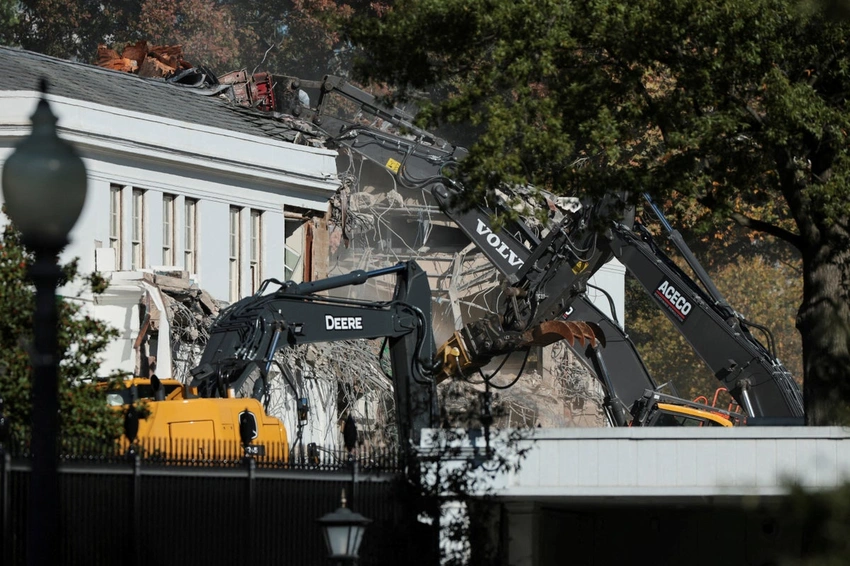
In a significant, albeit temporary, ruling, the US Supreme Court has given President Donald Trump the green light to continue construction on his ambitious and controversial White House ballroom and "military complex" project. Chief Justice John Roberts issued a one-page decision on Friday, overriding earlier orders from federal appeals courts that had mandated a halt to the construction by week's end.
The project, which has ballooned in scope and cost, is now officially permitted to proceed while the Supreme Court considers further arguments in the ongoing legal battle. President Trump had last week urged the high court to intervene, labeling the massive undertaking a "desperately needed National Security structure."
Initially conceived as an ornate White House ballroom complete with gold finishes and marble floors, court filings over recent months have unveiled the project's transformation into a far more complex and heavily fortified installation. Described by officials in "top secret" designs, the 90,000-square-foot ballroom is reportedly sandwiched between an extensive underground bunker and a rooftop military complex. The structure is said to incorporate bulletproof, hermetically sealed, and even nuclear-blast-resistant materials. The overall cost is estimated at $400 million.
The legal challenge stems from questions surrounding whether President Trump bypassed the role of Congress in his unilateral decision to demolish parts of the East Wing to make way for the sprawling construction. With this temporary order, the administration can push ahead, but the ultimate fate of the "military complex" and its associated legal questions will likely be revisited by the Supreme Court in the coming months.
