Trump's Greenland Threat Sparks Unity and Protest in Denmark

Trump's Greenland Threat Sparks Unity and Protest in Denmark
Trump's Arctic rhetoric rallies Danes and Greenlanders in a rare moment of solidarity as tensions over Greenland's future unfold.
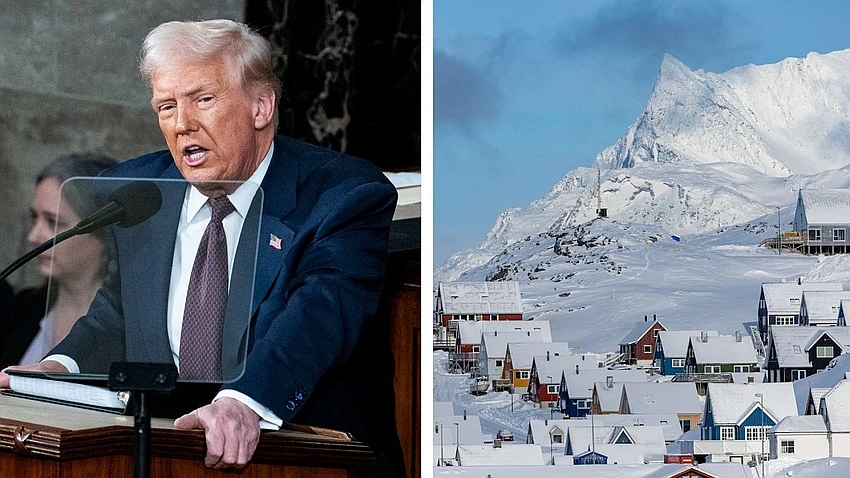
For weeks, Danes have been wrestling with a hypothetical invasion of Greenland, a largely self-governing part of the Danish kingdom. The issue has dominated conversations, shaping how people see security, sovereignty, and the bonds that hold a country together in a shifting global order. In Copenhagen, the mood blends pride with unease as citizens wonder what the present means for the future of their Arctic neighborhood. Yet amid the debate, a sense of unity has emerged, a reminder that shared identity can withstand even thorny political pressure.
On the streets of Copenhagen over the weekend, thousands joined a procession carrying red and white Greenlandic and Danish flags. The scene was a vivid tableau of national sentiment: banners waved, chants rose, and a mutual resolve to engage rather than retreat dominated the air. Some signs wore a playful twist—an ironic nod to a distant political theater—while others invoked Nuuk, the Greenlandic capital, as a symbol of the broader struggle for autonomy, partnership, and peaceful resolution. The protests underscored that the issue is not a simple binary, but a mosaic of history, pride, and the practicalities of alliance.
Organizers described a wave of solidarity that crossed generations and borders, with Greenlanders in Denmark standing alongside Danes, Americans, and others who wanted to see this moment translated into constructive dialogue rather than escalatory rhetoric. A sense of personal stake was palpable for many families, including those with relatives who fought in shared conflicts and those who carry memories of past grievances. The emotional energy was tempered by a clear longing for stability, a willingness to listen, and a belief that diplomacy still matters when big powers are at play.
In the wider European context, observers note that Arctic geopolitics have real consequences for everyday life, from defense planning to cultural exchange. The episode has forced a reckoning about sovereignty, autonomy, and the responsibilities of alliance, inviting policy makers to rethink how to balance pride with practical cooperation. While tensions linger, the moment also offers a chance for diplomacy to shape a future where Greenland’s voice is heard within a framework that respects its status while preserving long-standing ties. In Copenhagen and beyond, the mood is at once cautious and purposeful: a willingness to defend shared values through dialogue, not discord.
