Ice Cream vs. Masterpieces: How Gen Z is Redefining 'Museums'

Ice Cream vs. Masterpieces: How Gen Z is Redefining 'Museums'
Art institutions are struggling to increase attendance as 'entertainment centers marketed as museums' like the Museum of Ice Cream woo young visitors. Is this the future of art for Gen Z? We dive in.
Museums vs. 'Experiences': What is the Future of Art for Gen Z?
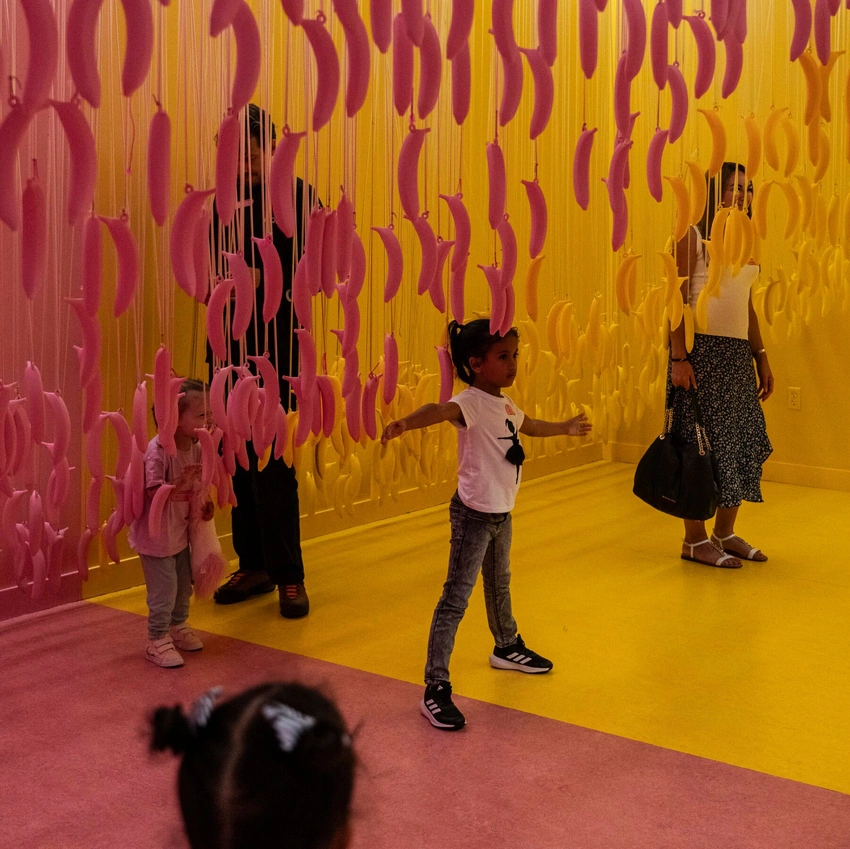
Let's be real. If you’ve scrolled through Instagram lately, you’ve probably seen it: vibrant, hyper-stylized photos from places like the Museum of Ice Cream. These aren't your grandma's quiet art galleries. They're bright, interactive, and designed for one thing: the perfect shareable moment. And here's the kicker – these 'entertainment centers marketed as museums' are actively wooing visitors from art institutions, raising a crucial question about the future of engagement with art, especially for Gen Z.
Traditional arts institutions are struggling to increase attendance. While they offer unparalleled cultural value, a profound connection to history, and opportunities for deep contemplation, they're often perceived by younger audiences as static, intimidating, or simply less 'fun.' The competition is fierce, not just from other forms of entertainment, but from attractions that cleverly brand themselves as museums while offering an entirely different kind of 'viewing' experience.
The Allure of the 'Experience Economy'
What makes the Museum of Ice Cream so successful in pulling in crowds that once might have gone to view art? It boils down to one word: experience. Gen Z grew up online; they value authenticity, community, and, crucially, shareability. They want to be part of the story, not just observers. These 'experience museums' offer:
- Sensory Overload: Bright colors, playful installations, even edible elements.
- Interaction: Touch, play, explore – often designed for maximum photo ops.
- Instant Gratification: No need for deep historical context; the fun is immediate and visual.
- Social Currency: The content is tailor-made for social media, providing a tangible takeaway and a reason to visit.
This isn't to say traditional art lacks experience, but its experience is often more cerebral, more contemplative. It requires a different kind of engagement, one that many entertainment centers are deliberately sidestepping in favor of spectacle.
Can Art Institutions Adapt?
So, what's a venerable art institution to do? The answer isn't to turn every gallery into a giant sprinkle pool. It's about understanding the core drivers behind Gen Z’s choices and thoughtfully integrating them. We need to remember that the goal isn't just to get people through the door, but to foster a genuine appreciation for art.
Consider:
- Digital Integration: Augmented reality (AR) tours, interactive digital displays that contextualize art, virtual reality (VR) experiences that immerse visitors in the world of an artist or artwork.
- Curated 'Moments': Designing specific spaces or installations that are inherently 'Instagrammable' but still deeply connected to the art or museum's mission. Think beautiful lighting, unique backdrops, or thought-provoking interactive pieces.
- Programming & Community: Offering workshops, themed events, or collaborative projects that make the museum a vibrant community hub, not just a quiet viewing space. How can we make art creation and engagement less intimidating?
- Rethink Accessibility: Making art approachable through clearer labeling, engaging narratives, and diverse curatorial voices that resonate with a broader audience.
The future of art for Gen Z isn't about choosing between the quiet contemplation of a masterpiece and the joyful chaos of a sprinkle pit. It's about finding a harmonious blend, where education and inspiration are delivered through engaging, relevant, and yes, sometimes even highly shareable, experiences. It's time for art institutions to embrace innovation while fiercely protecting their foundational purpose, ensuring that true art isn't lost in the pursuit of likes.
