Trump Vows Netanyahu Safe in NYC Amidst Arrest Calls & ICC Warrant

Trump Vows Netanyahu Safe in NYC Amidst Arrest Calls & ICC Warrant
Former President Donald Trump pledges protection for Israeli PM Benjamin Netanyahu in New York City, challenging Councilman Mamdani's arrest suggestions stemming from an ICC warrant. Discover the geopolitical stir!
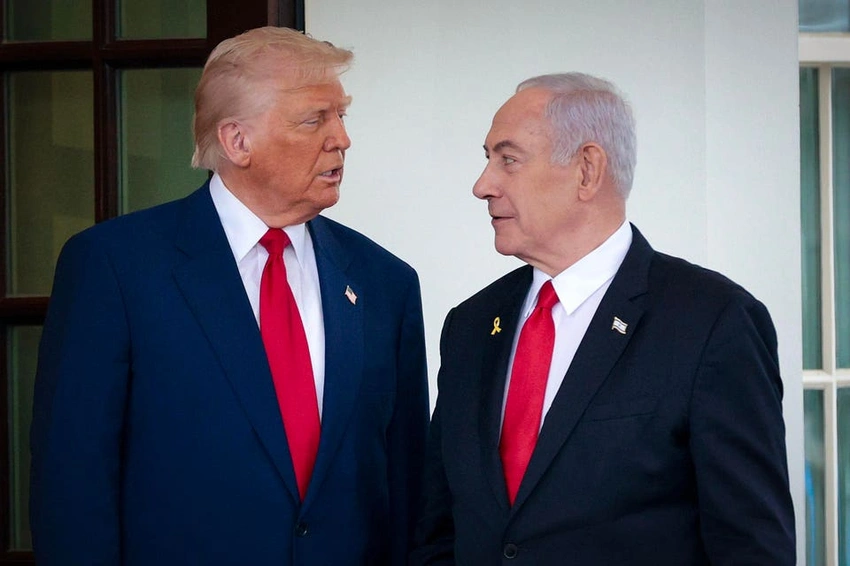
Former President Donald Trump has issued a bold promise, stating that Israeli Prime Minister Benjamin Netanyahu will not be arrested during his visits to New York City. This declaration comes in response to suggestions from New York City Councilman Zohran Mamdani, who indicated that Netanyahu could face apprehension at the upcoming United Nations General Assembly in September.
Mamdani's comments are rooted in the recent issuance of an arrest warrant by the International Criminal Court (ICC) against Netanyahu. The ICC warrant is related to allegations stemming from the ongoing conflict in Gaza, prompting discussions about the legal and political implications for leaders traveling internationally, especially to cities with significant diplomatic presence.
Netanyahu is a regular attendee at the annual UN General Assembly, an event that draws world leaders to New York City. The prospect of an arrest attempt on such a high-profile figure, especially during a major diplomatic gathering, creates a complex scenario involving international law, national sovereignty, and political allegiances. Trump's intervention underscores the deep divisions and strong sentiments surrounding the Israeli-Palestinian conflict and the role of international judicial bodies.
The former President's commitment adds another layer of complexity to an already tense international situation. While the United States does not recognize the ICC's jurisdiction over non-member states like Israel, the potential for local authorities to act on international warrants, however unlikely, has become a point of contention. Trump's statement serves to reassure his allies and assert a stance against what he and his supporters might view as politically motivated judicial actions.
