Nipah Cases in Kolkata: Nurses Critical as Contact Tracing Intensifies

Nipah Cases in Kolkata: Nurses Critical as Contact Tracing Intensifies
Two Nipah virus cases linked to Kolkata healthcare workers, one in coma and another on ventilator, as authorities widen contact tracing and issue safety guidance.
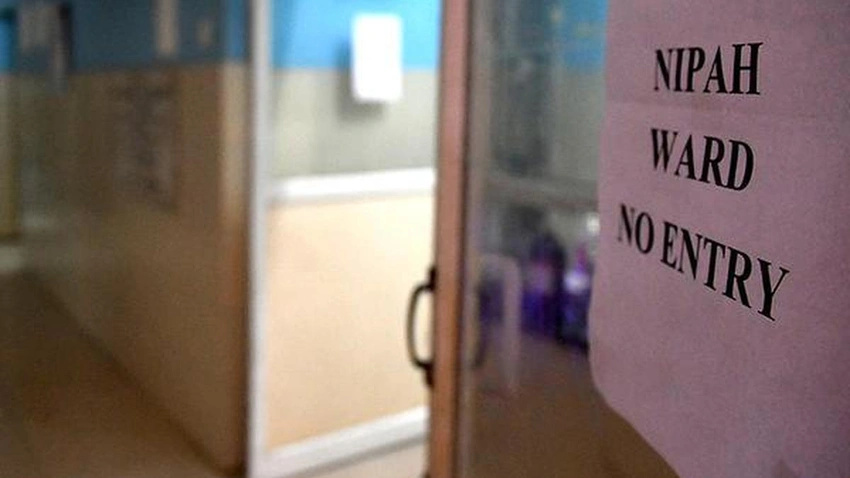
Kolkata is facing a Nipah virus shutter as two healthcare workers linked to Bengal’s latest outbreak are now in hospital care. Both nurses tested positive for Nipah after falling ill with high fever and respiratory symptoms, with one nurse in a coma and the other on ventilator support. The cases mark a serious escalation in West Bengal’s health crisis, prompting swift action from state and central health authorities.
In response to the unfolding situation, hospital officials confirmed that one patient was brought to a Kolkata city hospital on the night of January 13, and the second was admitted the following day from Burdwan Medical College and Hospital. Health authorities have traced tens of people who came in close contact with the patients, with numbers varying across briefings but highlighting the scale of the precautionary measures now in place.
Experts have underscored that Nipah is a zoonotic infection with no specific antiviral treatment or vaccine available at present, according to national health guidance. The World Health Organization notes a high case fatality rate in Nipah outbreaks, underscoring the urgency of containment through hygiene, surveillance, and early supportive care.
Health officials confirmed that the Union Health Ministry has pledged full support to West Bengal, including technical and logistical assistance as the state grapples with the two suspected Nipah cases. They added that the cases were identified after testing at national and regional laboratories, including references to the ICMR-VRDL network and AIIMS Kalyani in the broader diagnostic and containment framework.
Public health messaging has focused on preventing spread through prudent hygiene and protective practices for those working in animal industries or handling fruit crops, as explained by medical experts. A doctor familiar with the situation emphasized that Nipah spreads through contact with infected animals or contaminated materials, and that respiratory and neurological complications are common in severe cases. The doctor urged caution and proper precautions for anyone with exposure risks, noting that early detection and supportive care significantly affect outcomes.
Local authorities have also launched helplines and information campaigns to guide families and the general public, aiming to reduce panic while keeping people informed about isolation norms and when to seek medical help. As the investigation continues, officials stress the importance of transparent updates to reassure communities and reinforce safety protocols for healthcare workers and contacts alike.
