The Semiotics of the ‘Girl’ in Online Culture


The Semiotics of the ‘Girl’ in Online Culture
The Semiotics of the ‘Girl’ in Online Culture
An incisive look at how the word 'girl' is used online to soften adult women into a playful, vulnerable persona, quietly steering culture and branding without anyone noticing.
There is a peculiar economy around a single, small word: girl. Online, it is stitched to everything, and in that stitching, it performs a curious double move. It promises intimacy and playfulness while quietly doing the work of branding: rendering adult women as perennially juvenile, tender, and malleable.

The grammar of cheap enchantment
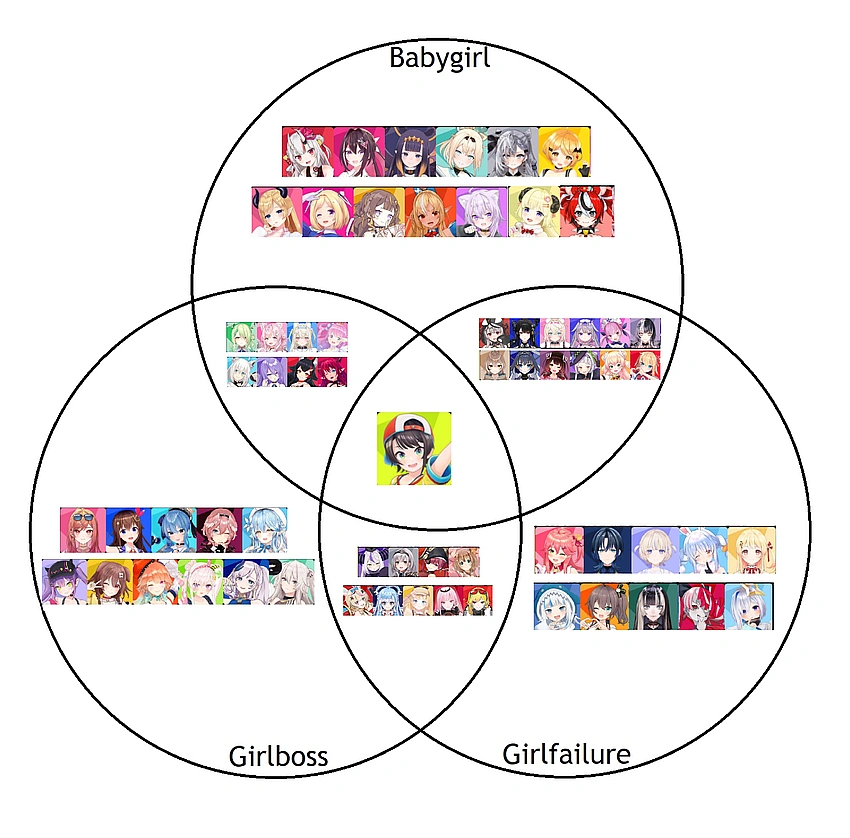
Attaching “girl” to an activity or affect, such as “girl dinner”, “girl math”, or “girlboss” (and its backlash, “girlfailure”), manufactures a persona: not an actual child, but a softened, companionable subject who performs vulnerability as a style. The prefix functions like a costume. It lowers the stakes of an action (what might otherwise be mundane becomes quaint) and supplies an immediate tone which is casual, confessional, and indulgent, which invites both identification and spectatorship. Observers are not presented with a full subject but with a shorthand: this is girl energy, and that energy is pleasurable precisely because it feels unthreatening.

Commodifying the intimate
Trends such as “girl dinner”, essentially an assemblage of snacks framed as a self-care ritual, show how quotidian gestures are repackaged as branded affect. The ritualisation of small acts creates content that is endlessly reproducible and highly shareable: a plate, an angle, a caption, a sale. What began as an online in-joke becomes a marketing data point. The logic is simple: make the ordinary look curated, then monetise the desire to replicate that curation. Media coverage of these fads repeatedly underscores their dual character as both a sincere coping mechanism and a profitable spectacle.
Infantilisation as a strategy
Infantilisation here works not by depicting literal childhood but by aestheticising dependency: winking incompetence, apologetic consumption, and a cultivated softness. What passes for empowerment when prefixed by “girl” often dovetails with a surrender of agency in economic matters. A paradox neatly visible in “girl maths”, the meme that reframes dubious spending logic as charming identity work. Semiotic diminutives signal approachability, and for brands and platforms, approachability maps onto predictability and repeat engagement. The cultural cost is twofold: it naturalises uneven power (women as consumers to be soothed), and it narrows the range of acceptable feminine expression to the marketable and non-threatening.

Postfeminism’s gentle trap
The rise of these micro-genres should be read in the light of postfeminist consumption, where empowerment is sold as personalised aesthetics and lifestyle choices rather than structural change. “Femvertising” has long promised that buying the right product equals claiming agency; the “girl” prefix is the latest cosmetic gloss on that promise. The result is a culture of individually curated empowerment that fills feeds while leaving systemic questions untouched.
When play becomes shorthand for absolution
There is a disarming function to the girl idiom: it permits transgression so long as the transgression is comically small. “Girl failure” trends, which celebrate clumsy, non-dominant floundering, allow a repudiation of the ruthlessness required by neoliberal selfhood. But this celebration of small failure also normalises precariousness as a personal trait rather than a political problem. The semiotics of a girl thus provide a language of absolution: you can be underpaid, underslept, and impulsive, but you’re adorable while doing it. That adorable framing makes it harder to recognise and contest structural harms.

A plea for a larger syntax of being
To resist the flattening grammar of girl, we do not need to excise play or intimacy from public life; rather, we must expand the lexicon. If the girl prefix contracts personality into a marketable mood, then an expanded syntax would allow for complexity: anger, boredom, organised refusal, and collective care. The challenge for writers and critics is to describe how these micro-genres circulate and to imagine alternatives that refuse to trade dignity for cuteness.
The ubiquity of 'girl' in online parlance is more than a linguistic trend; it is a semiotic infrastructure that shapes how bodies and desires are staged and consumed. It comforts, flattens and sells. Language teaches habit; changing grammar can change what we expect from each other. After all, if the internet has made an art of turning the banal into a monetisable affect, it can also, with some care, help us make room for other grammars of care, critique and collective action.
#GirlMath #OnlineCulture #BrandingCritique #GenderRepresentation #CultureShift
