Trapped for Years: Tribal Woman Rescued from Bonded Labor in Gurugram
Trapped for Years: Tribal Woman Rescued from Bonded Labor in Gurugram
Shocking details emerge as a 39-year-old Adivasi woman is rescued from horrific bonded labor in Gurugram, held captive for over two years. A joint operation brings her to safety.
A 39-year-old Adivasi woman from West Bengal, identified as Bhadu Mandi, has been successfully rescued from harrowing conditions of bonded labour in Gurugram this past Saturday. The rescue operation was a collaborative effort, involving personnel from both Haryana and West Bengal police forces, district administration officials, and dedicated civil society members.
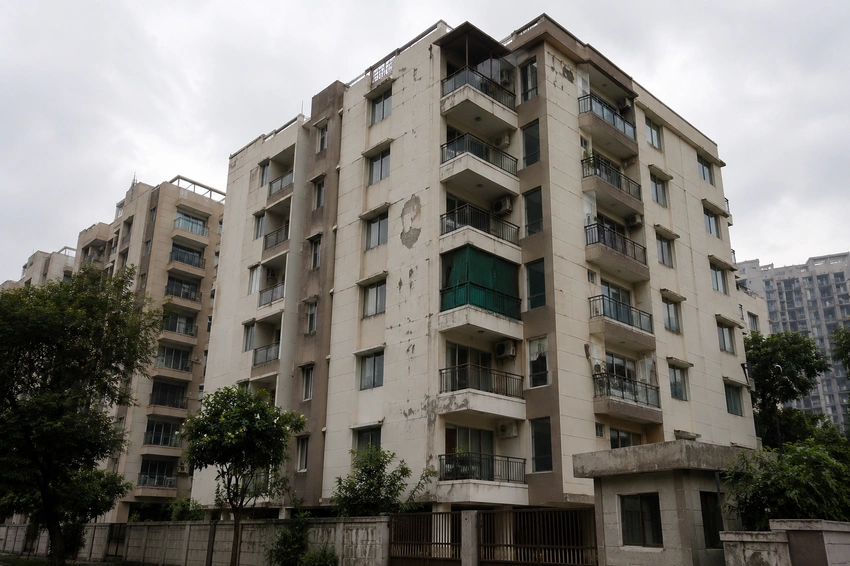
Ms. Mandi, originally from Birbhum district, was initially brought to Delhi for domestic work after an advance payment of ₹40,000. However, what began as an employment opportunity quickly turned into a nightmarish ordeal. For more than two years, she was trapped in a home located in DLF Garden City, Sector 91, Gurugram, enduring conditions that amounted to modern-day slavery.
Her sister, Lakshmi Tudu, revealed the horrific details of Ms. Mandi's captivity. The home where she worked was equipped with smart locking systems, effectively restricting her movement and preventing her from leaving. She was denied access to the outside world, forbidden from making phone calls to her family, and forced to work for over 16 hours every single day. Shockingly, Ms. Mandi was subjected to violent physical abuse over minor transgressions or whenever she dared to express a desire to return home. She later shared that she couldn't lift her right hand and had impaired hearing in her right ear due to the consistent beatings from her employer.
The desperate situation first came to light in March 2026 (as per reports) when Ms. Tudu courageously approached authorities in Birbhum for assistance. Despite the challenges, an FIR was eventually registered on June 4 at the Illambazar police station. A pivotal moment in her ordeal occurred when a service technician visited the apartment for repair work, providing Ms. Mandi with a fleeting chance to contact her sister and reveal her plight.
An NGO, Nari O Sishu Kalyan Kendra (NOSKK), became aware of the case and diligently documented the grim details. They maintained regular coordination with government officials in both West Bengal and Gurugram, ensuring the case received the attention it deserved. Meetings were convened with the District Legal Services Authority and the Labour Department. Following a thorough inquiry, the Labour Department officially identified the matter as a clear case of bonded labour and strongly recommended immediate intervention to the District Magistrate of Gurugram.
Driven by an unwavering determination to free her sister, Ms. Tudu travelled to Gurugram. Concurrently, West Bengal police personnel also made their way to Delhi on Saturday, joining the coordinated effort. This multi-agency approach culminated in Ms. Mandi's freedom, ending her years of suffering.
This rescue highlights the critical need for vigilance and concerted efforts to combat bonded labour, a pervasive issue that continues to blight communities. The physical and psychological scars Ms. Mandi bears are a stark reminder of the brutality faced by victims, underscoring the importance of strong legal frameworks and compassionate intervention.
