Trump's Board of Peace Takes Shape as Netanyahu Joins

Trump's Board of Peace Takes Shape as Netanyahu Joins
Trump unveils the Board of Peace at Davos as Netanyahu agrees to join and Putin says he'll study the invitation, signaling a bold new push in global diplomacy.
At the World Economic Forum in Davos, U.S. President Donald Trump introduced what he calls the Board of Peace, a council he says will help resolve global conflicts through a new, executive approach. The plan, still short on public details, has already drawn intense scrutiny as leaders around the world receive invitations to join what he portrays as a streamlined alternative to traditional diplomacy.
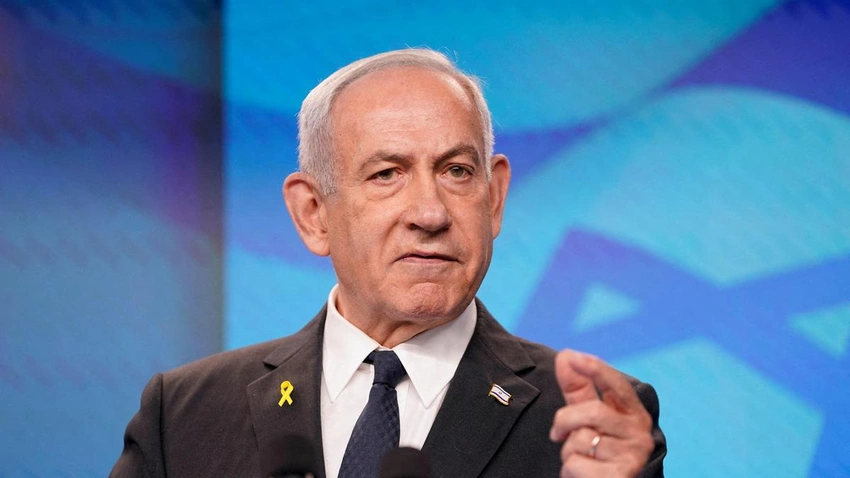
One of the most notable developments came from Benjamin Netanyahu, who confirmed he would join the board after an earlier critique of its makeup. The move signals a rare alignment between Washington and Jerusalem as the initiative expands beyond a small group of early backers. The board's charter, parts of which have circulated to reporters, suggests a concentration of decision-making power in Trump himself, backed by a growing roster of member states.
Initial members reportedly include Israel, the United Arab Emirates, Morocco, Vietnam, Kazakhstan, Hungary, Argentina and Belarus. Invitations have also gone to Paraguay, Canada, Egypt and Turkey, among others. Russia, India, Slovenia, Thailand and the European Union's executive arm have said they received invitations, and the Kremlin said it would study the details and seek clarity on the nuances before responding. Trump himself confirmed that Putin had been contacted and would review the invitation.
Observers say the move could reshape how conflicts are approached by bringing together a broader set of voices, but questions remain about authority, funding and accountability. The draft charter mentions a $1 billion contribution to secure permanent membership, a figure that underscores the seriousness of the project in the eyes of some allies and critics alike. As the forum in Davos continues, officials emphasize that the Board of Peace is just one of several diplomatic experiments being tested on the global stage, with Gaza ceasefire talks frequently cited as a potential proving ground.
Whether the board can translate ambition into lasting agreements remains to be seen. Still, the international attention surrounding Davos this week has thrust the project into the center of a broader debate about how power is exercised in a faster-moving, more interconnected world.
