Trump hikes US-India tariffs to 18% after Supreme Court IEEPA ruling

Trump hikes US-India tariffs to 18% after Supreme Court IEEPA ruling
Supreme Court voids Trump’s IEEPA tariffs as he raises the worldwide levy to 15%, lifting India’s duties to about 18% and signaling a tougher US trade stance.
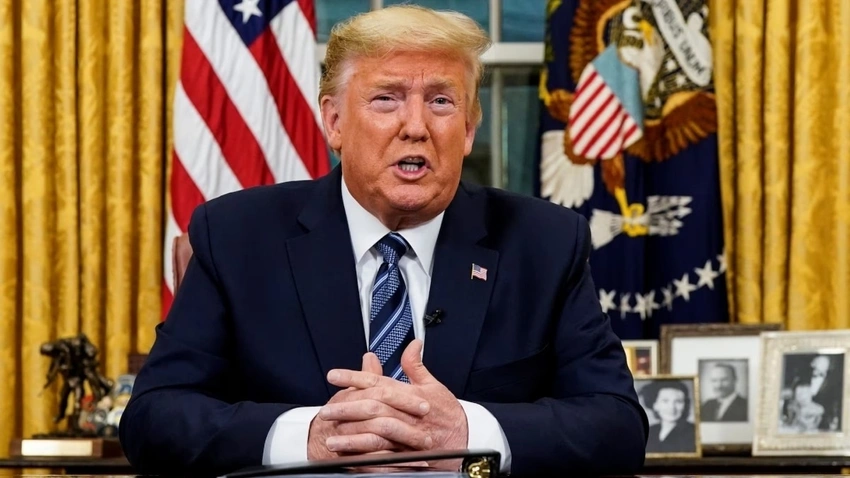
In a move that tightens Washington’s trade posture, President Donald Trump on February 21 announced that the previously declared 10% worldwide tariff would be raised to 15% with immediate effect. The.combine effect for India brings its tariff back to roughly 18% (about 15% base plus a 3.4% MFN surcharge), a shift that reverses earlier attempts to soften the administration’s stance on imports from major trading partners. This escalation comes amid ongoing legal and political scrutiny of tariff powers and how they are applied across borders.
The push is set against the backdrop of a Supreme Court ruling that 6-3 struck down Trump’s use of the International Emergency Economic Powers Act (IEEPA) to impose broad-based tariffs without explicit congressional approval. The court’s decision underscores a limit on unilateral emergency powers in the realm of global trade, and it signals that any future tariffs will face closer legislative scrutiny.
Trump framed the decision as a response to the court ruling and asserted on Truth Social that he would determine and issue new tariffs that are “fully allowed, and legally tested.” He did not spell out which countries would bear the higher 15% baseline, leaving the immediate map of impact unclear for many exporters and policymakers.
Analysts note that unilateral tariff moves can complicate negotiations with allies and trading partners, and they warn of potential retaliation or new friction in India-US relations. Yet India has remained a significant partner in discussions about broader trade arrangements, and observers say a more formalized process—anchored in congressional authorization—will likely shape future policy decisions.
For markets and policymakers, the ruling and the tariff adjustment represent a pivotal moment in the use of emergency powers in trade. The administration has signaled that further actions could come in the coming months, but any such measures will now contend with constitutional checks and a more deliberate legislative pathway. The evolving dynamic promises to keep investors and partners attentive as the United States reassesses its approach to global tariffs and bilateral negotiations.
