India logs sharp declines in new HIV infections and AIDS deaths

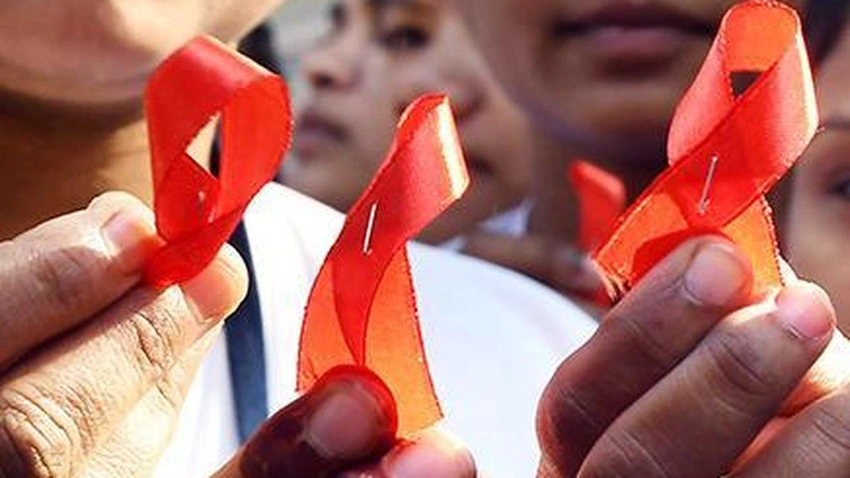
India logs sharp declines in new HIV infections and AIDS deaths
Health minister highlights progress under NACP-V as India reports record drops in new HIV infections, AIDS deaths, and expanded testing.
Union Health Minister J P Nadda on Monday said India has recorded major declines in new HIV infections and AIDS-related deaths, surpassing global averages. He spoke at the national observance of World AIDS Day at Vigyan Bhawan, reaffirming India's commitment to ending AIDS as a public health threat with a rights-based, stigma-free approach. In his keynote address, he noted that the day serves as an important moment to reaffirm India's commitment, reflect on past lessons and adopt effective strategies for the present and future. He highlighted India's sustained progress under the National AIDS and STD Control Programme and reiterated the government's dedication to a rights-based, stigma-free and inclusive HIV response. Also read: Experts say Indian healthcare is prepared to manage fevers but must remain alert to emerging infectious threats. The minister emphasized that under NACP-V, access to prevention, testing and treatment services has continued to expand, demonstrating strong momentum across key programme areas. Between 2010 and 2024, new HIV infections declined by 48.7 per cent, AIDS-related deaths by 81.4 per cent and mother-to-child transmission by 74.6 per cent. Testing coverage increased from 4.13 crore in 2020-21 to 6.62 crore in 2024-25, while the number of people on treatment rose from 14.94 lakh to 18.60 lakh. Viral load testing also expanded significantly -- from 8.90 lakh to 15.98 lakh tests, Nadda said. He noted that these achievements surpass global averages for the same period and reflect strong political commitment, sustained momentum and a stigma-free approach. Nadda emphasized ongoing efforts to make prevention, testing and treatment more accessible, including outreach to underserved communities, integration with broader health services, and continued scale-up of PrEP and diagnostic services where appropriate. The minister also called for continued research, surveillance and multisectoral collaboration to tackle emerging challenges and ensure progress is durable and inclusive. World AIDS Day serves as a moment to reflect on lessons learned and set bold, practical steps for future action. Concluding, he reaffirmed India's resolve to advance an AIDS response that respects human rights, reduces inequities, and keeps the focus squarely on bringing testing, treatment, and preventive measures to every Indian who needs them.
Cover image source: India has the power to transform the global AIDS response, but we must act now 🔗
