Trump Pushes Hormuz Reopening as Iran Talks Pause

Trump Pushes Hormuz Reopening as Iran Talks Pause
Tensions spike near the Strait of Hormuz as the US presses to reopen shipping lanes while Iran's nuclear talks are paused and allies weigh a UK-led maritime mission.
Tensions in the Persian Gulf escalated this week as the United States signaled a renewed push to reopen the Strait of Hormuz, even as Iran’s nuclear talks remain on hold. President Donald Trump suggested that eliminating Iran’s nuclear programme is a central justification for ongoing conflict in the region, while signaling readiness to hear Tehran’s response to a proposed path away from direct confrontation. The stance comes amid a fragile, volatile backdrop where both sides have accused the other of flouting ceasefire commitments and risking a wider war near key shipping lanes.
In parallel, discussions around a multinational defensive effort to safeguard navigation in the Hormuz corridor have intensified. The United Kingdom announced plans to redeploy the HMS Dragon to the Middle East as part of a possible UK- and French-led mission that could pre-position naval assets in the region. The move aims to deter further escalation and ensure safe passage for international oil shipments, should diplomatic channels falter.
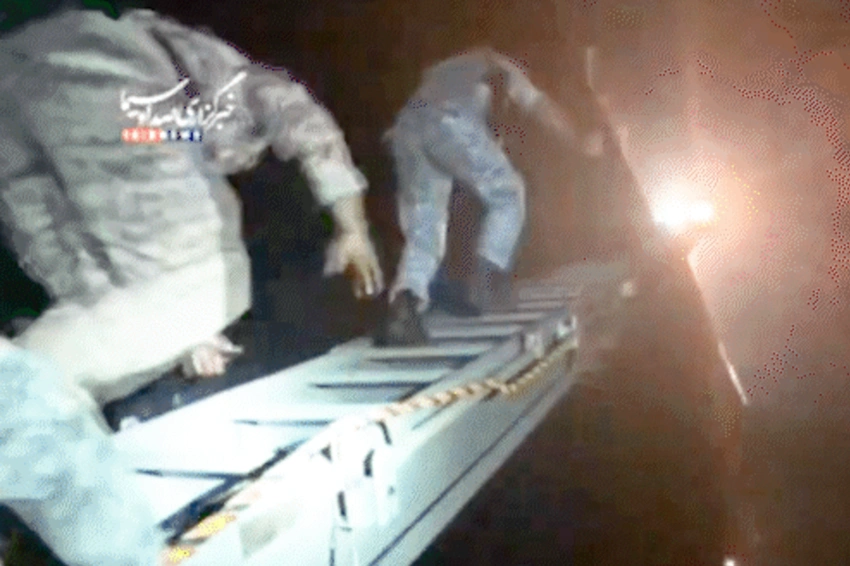
On the battlefield, the United States Navy has, in recent days, struck two Iranian-flagged oil tankers accused of attempting to breach a blockade, as exchanges of fire persisted along the waterway. Tehran has pushed back, accusing Washington of repeatedly veering toward a “reckless military adventure” whenever diplomatic options appear viable. President Trump has insisted the ceasefire remains in place—for now—while noting that Washington is awaiting Tehran’s formal reply to a peace proposal.
Analysts and intelligence assessments add another layer of complexity. A CIA report cited in regional coverage suggests Iran could withstand a blockade for several months, with Iran retaining a substantial portion of its missile arsenal. The assessment underscores the resilience that Tehran believes it can project, and it feeds into ongoing questions about the durability of any prospective ceasefire and the risks to global oil markets.
As diplomatic efforts continue, international observers warn that any misstep could quickly unravel the fragile balance, drawing in major powers and risking a broader regional conflict. The coming days are likely to determine whether a pathway to de-escalation can be found or if the Strait of Hormuz remains a flashpoint for renewed confrontation.
