Bessent Defends Trump's H-1B Plan: Train US Workers, Then Go Home

Bessent Defends Trump's H-1B Plan: Train US Workers, Then Go Home
Treasury Secretary outlines a built-in apprenticeship approach to Trump's H-1B strategy, aiming to upskill Americans before bringing in temporary foreign talent.
In Washington, Treasury Secretary Scott Bessent reiterated President Trump’s H-1B visa strategy, stressing that temporary skilled worker programs should transfer knowledge to American workers and help train a homegrown talent pool. The goal, he said, is to rebuild the nation’s industrial base and close critical gaps in sectors like manufacturing and defense without displacing domestic jobs.
Supporters argue the plan is designed to address real shortages in advanced manufacturing and defense roles, ensuring the United States stays competitive on a global stage while gradually expanding opportunities for American workers through apprenticeships and on-the-job training. Critics, however, warn that even temporary visas can affect wages and job mobility if not properly capped and monitored.
Trump has increasingly framed immigration policy as a tool to preserve America’s edge, acknowledging the need to import foreign talent for certain roles while also insisting American workers be given priority and wage protections. Some reports highlight concerns triggered by other policy moves, including a broader debate over visa fees and eligibility, and reference actions like an ICE raid at a Hyundai plant as context for the difficulties that can arise when foreign expertise is suddenly in flux.
Industry groups and universities have called for clear rules, transparent training pipelines, and robust oversight to ensure that H-1B channels primarily fill genuine gaps and support wage growth for American workers. Advocates say partnerships with employers and educational institutions can develop the next generation of skilled workers, while opponents worry about potential displacement and the long-term impact on the labor market.
As lawmakers weigh the balance between talent needs and worker protections, the conversation is unlikely to fade soon. The outcome will hinge on how policies translate into real training opportunities, fair wages, and reliable pathways for American workers to rise into high-skilled roles.
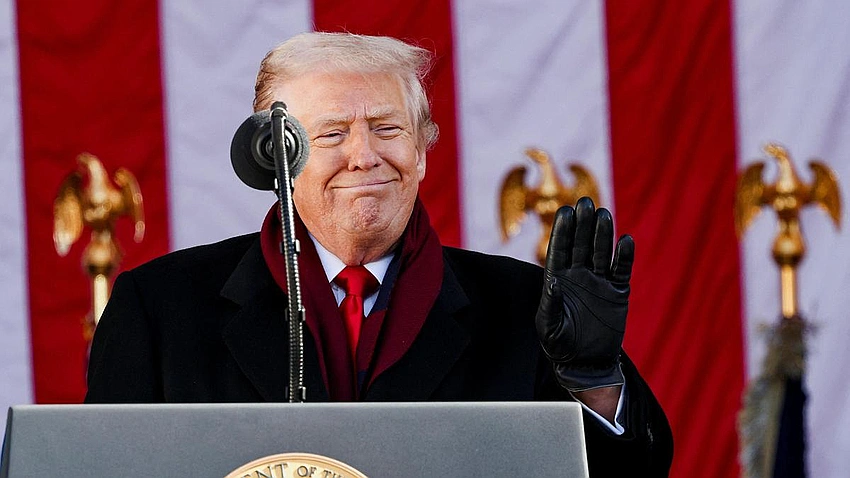
Cover image source: U.S. has to bring in talent from around the world: Trump on H-1B visa 🔗
