Starmer Visits China to Rekindle Ties and Boost UK Trade

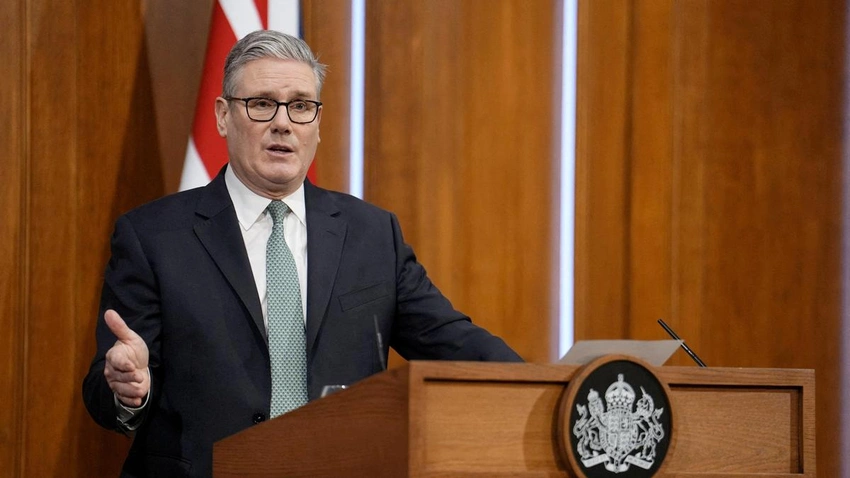
Starmer Visits China to Rekindle Ties and Boost UK Trade
Britain's PM Keir Starmer travels to Beijing to reset China relations and pursue new trade deals amid US tensions, signaling a recalibrated foreign policy.
British Prime Minister Keir Starmer heads to Beijing on a three-day mission—the first by a UK leader in eight years—as London seeks to bolster a lagging economy and diversify away from heavy reliance on the United States. The trip underscores Britain’s gamble to deepen ties with one of the world’s biggest economies while maneuvering around volatile transatlantic dynamics. In Beijing, Starmer will meet with Chinese officials and lay out a pathway for closer cooperation in areas ranging from technology and green energy to manufacturing and services. The trip’s broader aim is to unlock new markets and attract investment, signaling a pragmatic shift in Britain’s global posture.
The itinerary is dense: three days in Beijing, followed by a stop in Shanghai, with dozens of business leaders and two government ministers in tow. The prime minister’s team is casting the visit as a climate for bargains—contracts that could help roll out new technologies, boost export opportunities, and diversify Britain’s supply chains. While concrete deals are not guaranteed, the emphasis is clear: show a credible commitment to working with China, and use the dialogue to reduce economic exposure to a single major ally.
The trip comes as Starmer tries to navigate a globe split by rival powers. Washington’s recent tensions and President Trump’s tariff threats complicate transatlantic relations, and Beijing has positioned itself as a reliable partner in a multipolar world. For London, this visit is about balancing security concerns with economic ambitions, demonstrating that Britain can engage with Beijing on its terms while protecting its own interests on the world stage.
Analysts note that London may be closer to Beijing than Washington on shared priorities like artificial intelligence, public health, and environmental policy. The star performer of this diplomacy is pragmatism: a recognition that long-term economic security may depend on diversified partnerships rather than dependence on a single power. Starmer has signaled that the government will not yield to pressure from any side, framing the trip as a pathway to greater economic security and a more nuanced foreign policy.
China has publicly welcomed this sort of diplomacy as it pursues a multipolar world view, citing the importance of collaboration with Western partners to tackle global challenges. The British delegation’s presence—alongside a slate of business executives and ministers—signals a real intent to translate rhetoric into measurable economic activity. If successful, the visit could set the tone for UK-China relations in the coming years and provide Britain with more room to maneuver in a rapidly shifting international order.
As Starmer departs for Japan after the China portion of the trip, observers will be watching whether this trip translates into tangible investment, joint ventures, or new trade channels. The broader takeaway: Britain is signaling a calibrated, business-friendly approach to international diplomacy, one that prioritizes long-term growth and resilience in a world where alignments are continually shifting.
