Criminal inquiry looms over Warsh hearing, testing Fed independence

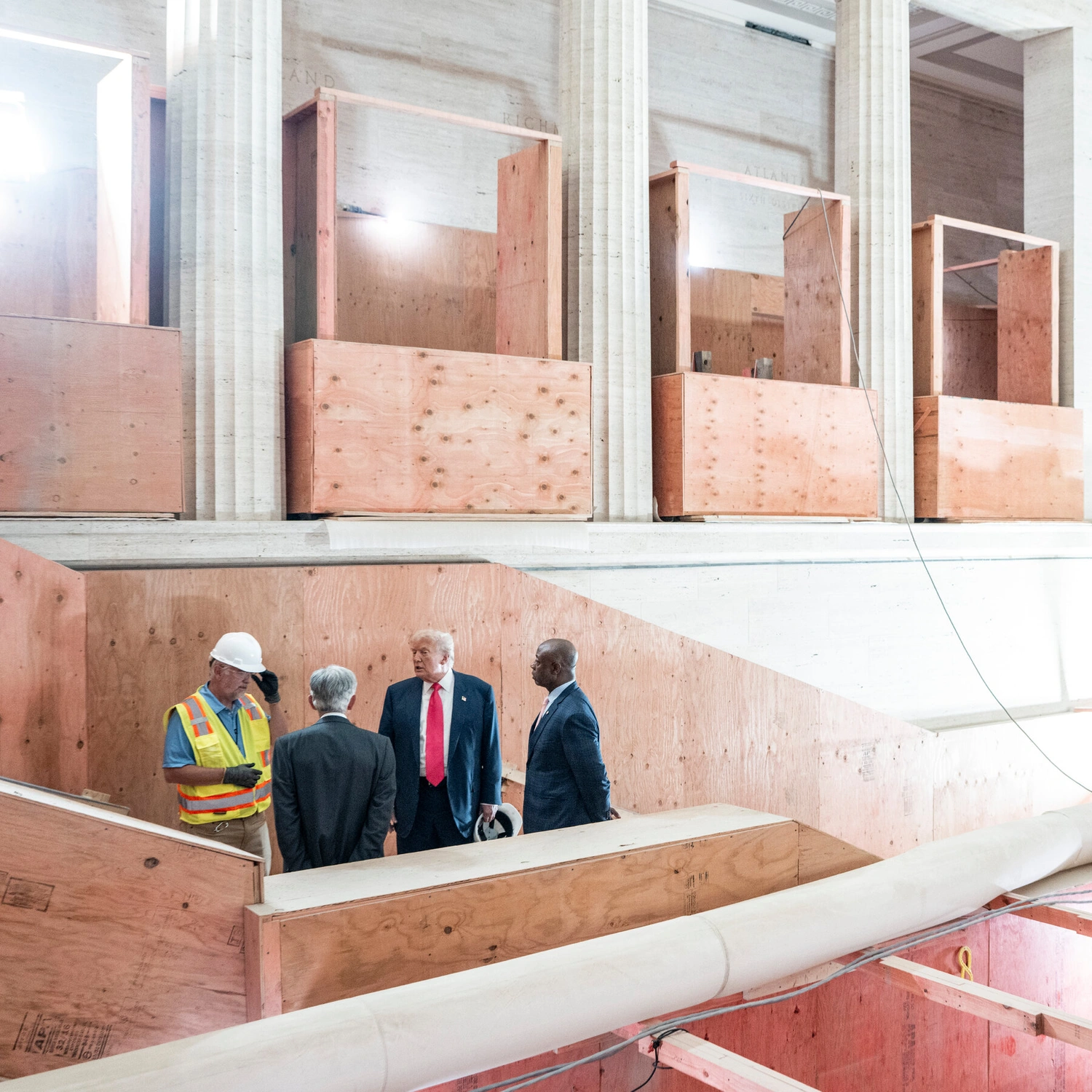
Criminal inquiry looms over Warsh hearing, testing Fed independence
A criminal inquiry shadows Kevin Warsh's Senate hearing as debates over Fed independence and inflation policy take center stage.
A high-stakes Senate Banking Committee hearing on Kevin Warsh’s bid to lead the Federal Reserve is unfolding amid a looming criminal inquiry into the central bank, casting a pall over what is normally a routine confirmation process. The tension is not just political; it could touch the nerve of how the Fed is perceived to conduct its mission in a volatile economy. Warsh, a former Fed governor, faces questions about policy philosophy, independence, and how aggressively to pursue inflation reduction during a period of uneven labor-market signals.
Warsh has asserted that the Fed must “stay in its lane” to preserve its independence, a line intended to reassure lawmakers and investors that monetary policy will not be swayed by external pressures. He has framed inflation as the principal battleground, with only a single, cautious nod to the labor market amid growing concerns about a potential misalignment between price pressures and employment gains. The nominee’s comments aim to project certainty in a moment of heightened scrutiny as the inquiry into the Fed’s conduct looms, potentially influencing the tone and outcome of the hearing.
Observers note that the timing is delicate. An inquiry of this scale can complicate the nomination process, even if it does not derail it, by injecting questions about governance, oversight, and the relationship between policymakers and the institutions they oversee. Senate members from both parties are expected to press Warsh on how an independent Fed would navigate policy decisions if confirmed, and whether current inquiries could shape governance reforms or policy pivots.
Markets and analysts will be listening closely for signals on the path of interest rates, the Fed’s balance-sheet strategy, and how risk is priced into instruments influenced by central-bank expectations. Whether Warsh can maintain a steady message that the Fed can act decisively to curb inflation while preserving credibility and independence could determine the mood of financial markets well into the confirmation process. The hearing's outcome may hinge as much on interpretations of independence and institutional governance as on the specifics of inflation forecasts and economic projections.
As Washington awaits the testimony, the central question remains: can the Fed sustain its mandate in an era of intense scrutiny, while a criminal inquiry adds a dynamic element to the confirmation battle and future policy direction?
