Xi and Starmer push for closer UK-China ties with visa boost

Xi and Starmer push for closer UK-China ties with visa boost
UK PM Starmer and Xi Jinping pursue deeper cooperation as visa-free travel return and major trade investments reshape UK-China relations.
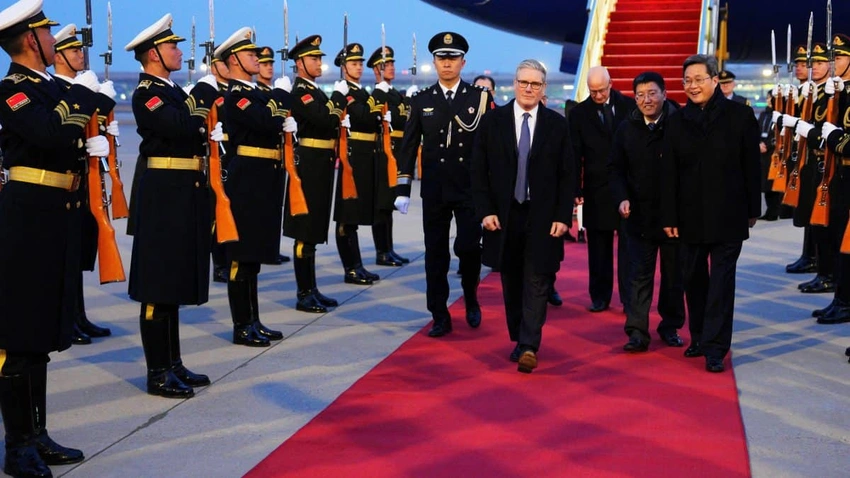
In Beijing, Xi Jinping and Keir Starmer sat down at the Great Hall of the People for talks that highlighted a desire to reset decades of ups and downs in UK-China relations. Xi spoke of past twists and turns but urged a more consistent approach that could stand the test of history if both sides rose above differences. Starmer, on his first visit to China as a British prime minister in eight years, said the trip aimed to bring stability and clarity to the bilateral relationship and that the talks had been productive with the relationship described as being in a good, strong place.
A standout outcome of the discussions was a move toward visa-free travel for British tourists and business travellers, ending the 30-day limit and bringing the UK in line with about 50 other countries. The agreements also included deeper economic cooperation focused on trade and services, signaling a more streamlined environment for British firms seeking a foothold in China. In parallel, Bejing announced an investment push, including a $15 billion commitment from AstraZeneca in its Chinese operations, underscoring a shared interest in pharmaceutical collaboration and market access.
Another tangible result was the planned reduction of tariff barriers on Scotch whisky, with duties cut from 10% to 5%. Officials estimated this could benefit the UK whisky industry by as much as £250 million over five years, a figure highlighted by Downing Street as part of the broader economic gains from closer ties. The talks were described as constructive on several fronts and touched on improving market access for British businesses across various sectors, a long-sought goal for London.
The meeting occurred against a backdrop of broader geopolitical concerns and domestic scrutiny, including worries about China’s spying activities in the UK and the use of burner phones by a UK delegation. Human rights issues also linger in the background as both sides seek to balance strategic interests with international expectations. Still, Starmer’s team signaled a willingness to pursue a steady, practical path forward, focusing on concrete economic outcomes while managing long-standing political sensitivities.
As this visit marks a potential turning point after years of fluctuating relations, observers will be watching closely to see whether the visa waiver and major investments translate into sustained growth and a more predictable partnership between the UK and China.
