Meta Unveils Camera-Free AI Glasses Amidst Growing Privacy Debate 👓

Meta Unveils Camera-Free AI Glasses Amidst Growing Privacy Debate 👓
Meta has launched new AI-powered smart glasses, including an audio-only, camera-free version, directly addressing global privacy concerns. Discover what this means for the future of wearable tech!
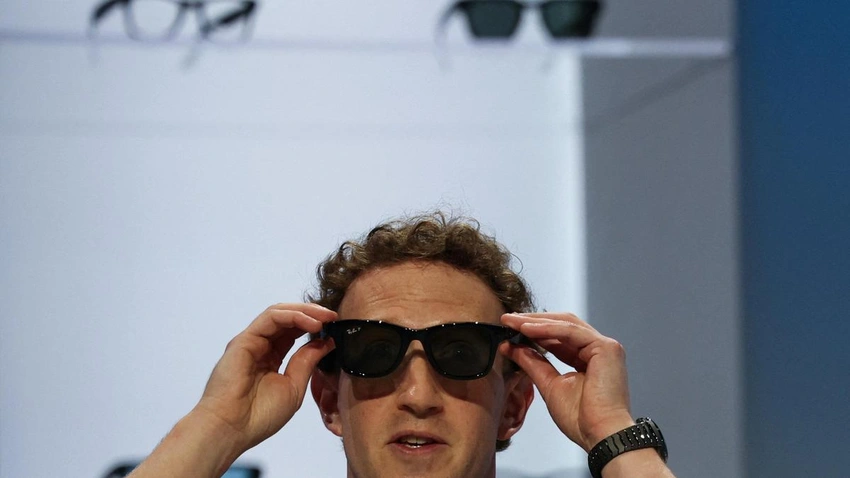
At its annual Connect conference in Menlo Park, Meta CEO Mark Zuckerberg unveiled a new lineup of AI-powered wearables, most notably a camera-free version of its smart glasses. This move comes amidst growing global concerns regarding privacy violations from tiny cameras on wearables, which critics have controversially labeled “pervert glasses." Zuckerberg, speaking from Meta's headquarters, emphasized the company's vision:
There are almost 2 billion people in the world who wear glasses today... and we think that in the coming years, most of these are going to get upgraded to AI glasses.
He positioned the new personal artificial intelligence assistant, Muse, as "the centerpiece of our vision." The audio-only smart glasses, designed to complement existing models that retain photo and video capabilities, will hit the market on October 13, starting at $349.
These offer functionalities like listening to music, making phone calls, translating text, and interacting with the AI assistant, without the controversial camera. Meta's vice president of AI product, Vishal Shah, underscored the importance of privacy features like a recording indicator light, stating, "We wanted people to clearly understand that this was something that was recording, and we've only made that light more explicit over time." With billions of active users across its platforms, Meta is betting that wearables can serve as an accessible entry point for its AI software.
The company has invested heavily in AI, launching its first smart glasses in 2021 and subsequently unveiling display glasses and Meta-branded AI glasses. The latest flagship Meta Ray-Ban display version, priced from $799, will soon expand to new markets including Britain, France, Italy, Germany, and Canada. Beyond smart glasses, Meta also teased lighter mixed reality VR glasses, weighing about as much as a deck of cards.
These innovative VR Glasses, powered by an external battery and memory pack, will rely on hand gestures and voice commands instead of external controls. They are slated for a Spring 2027 launch with a price tag of $1,299. The Muse AI assistant, designed as an agentic app, performs tasks on users' behalf.
After connecting personal accounts, Muse can sign up for services, book appointments, and make calls.
The Muse app has already surged to the top of both the Google Play Store and Apple App Store.
Zuckerberg also teased another upcoming product, the Muse Charm, a puck-like device with a display that allows users to interact with their Muse agent separately from a smartphone, set to ship before the holidays.
Despite these technological advancements and significant investments, Meta continues to face pushback on various fronts, particularly concerning privacy. The introduction of camera-free options appears to be a direct response to these concerns, aiming to redefine the public perception of smart eyewear.
