India’s GLP-1 shakeup: Semaglutide patent expiry opens door to cheaper options

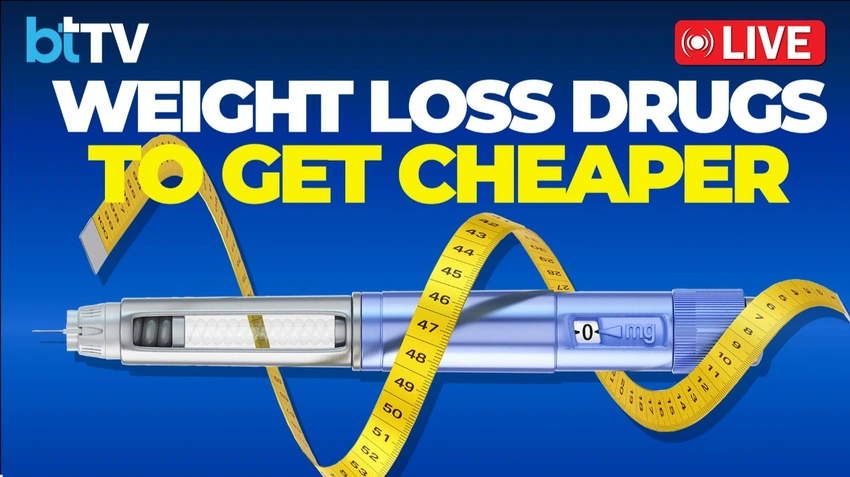
India’s GLP-1 shakeup: Semaglutide patent expiry opens door to cheaper options
India’s semaglutide patent expiry kicks off a wave of generics and price cuts, aiming to boost access to obesity and diabetes treatments across the country.
India is staring at a major shift in its obesity and diabetes treatment landscape as the semaglutide patent expired, yet uptake remains modest. Despite a population where about 89.8 million adults live with diabetes and roughly 250 million are obese, only around 200,000 people in the country are on GLP-1 therapy, underscoring a large gap between need and treatment. The expiry paves the way for more than 40 generic manufacturers to enter the market, signaling price competition in a category that has been cost-prohibitive for many.
On the day of expiry, generic players moved quickly. Natco Pharma launched semaglutide under the brands Semanat and Semafull, signaling the start of a price war that could reshape affordability and accessibility. Novo Nordisk, the innovator behind semaglutide, has positioned itself to navigate the evolving landscape with strategic partnerships and price adjustments. Vikrant Shrotriya, managing director of Novo Nordisk India, emphasized alignment with patients, not patents, as the company works to expand access ahead of more entrants.
In a bid to accelerate uptake, Novo Nordisk India recently reduced injectable semaglutide prices by about 37% and teamed up with Indian manufacturers to roll out second brands across diabetes and obesity indications. Experts anticipate substantial price erosion—potentially 50–90%—which could bring monthly treatment costs down from ₹8,000–₹27,000 to as low as ₹3,000–₹4,000. While this could dramatically broaden access, officials caution that affordability must be balanced with safety, proper medical supervision, and robust regulation to prevent misuse and ensure appropriate use across diverse Indian markets.
Analysts note that the market expansion could help shift obesity and diabetes care away from metro-centric availability toward broader rural and semi-urban regions. The real test will be ensuring supply chains, physician engagement, and patient education keep pace with lower prices, so that the potential health gains translate into real-world outcomes.
Overall, the patent expiry marks a watershed moment for India’s weight-loss and diabetes drug space, promising greater affordability and a flood of competition while underscoring the need for thoughtful regulation and patient-centric care.
