Is the 'nuclear family' model failing in 2026?

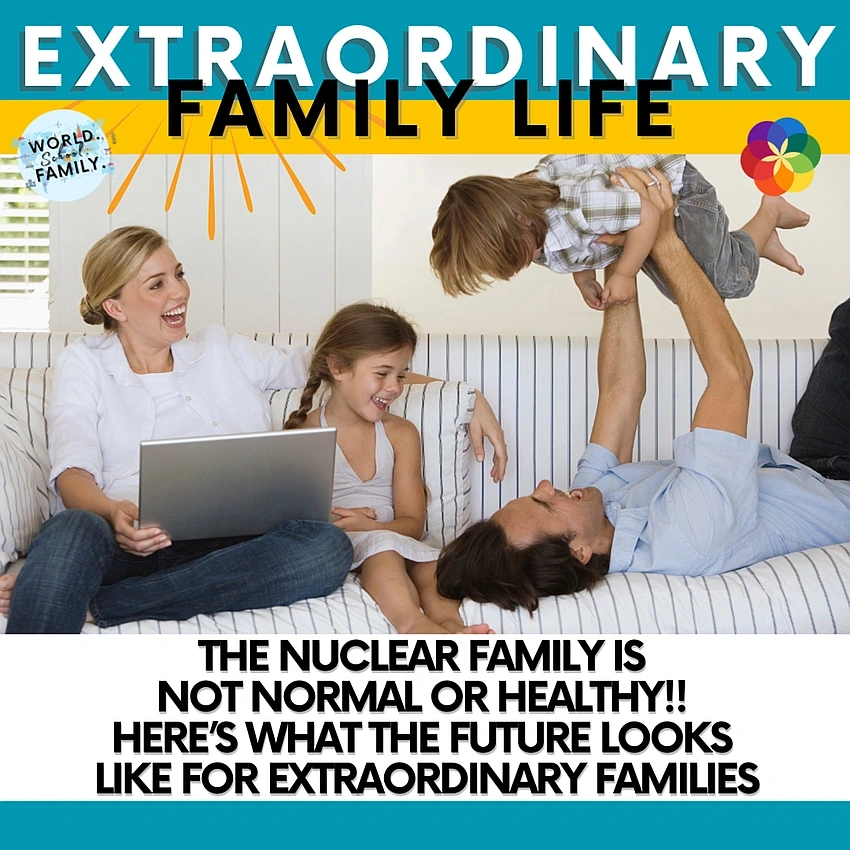
Is the 'nuclear family' model failing in 2026?
The traditional nuclear family structure is facing unprecedented challenges. Explore why multi-generational living is re-emerging as a practical, enriching solution for modern households.
Is the 'Nuclear Family' Model Failing in 2026?
For decades, the image of the nuclear family-two parents, two kids, a house with a white picket fence-was the aspirational ideal. It was the blueprint for stability and success. But as we navigate 2026, many are asking a crucial question: Is this once-unshakable model on its last legs?
The truth is, soaring living costs, evolving social dynamics, and the demands of caregiving are reshaping how we define 'family' and 'home.'
The Cracks in the Foundation
The economic realities of today are perhaps the biggest driver behind this shift.
Housing prices are astronomical, childcare is a luxury for many, and elder care expenses can be crippling. Young adults struggle to achieve financial independence, while seniors often find retirement savings stretched thin.
The isolation inherent in many nuclear family setups also becomes apparent, especially when a single parent or couple is juggling work, childcare, and household duties with little support.
It's a practical challenge. The resources required to maintain the traditional nuclear family often exceed what a single household can realistically manage, leading to burnout and financial strain. It begs a return to older community-oriented models, adapted for the 21st century.

The Multi-Generational Renaissance
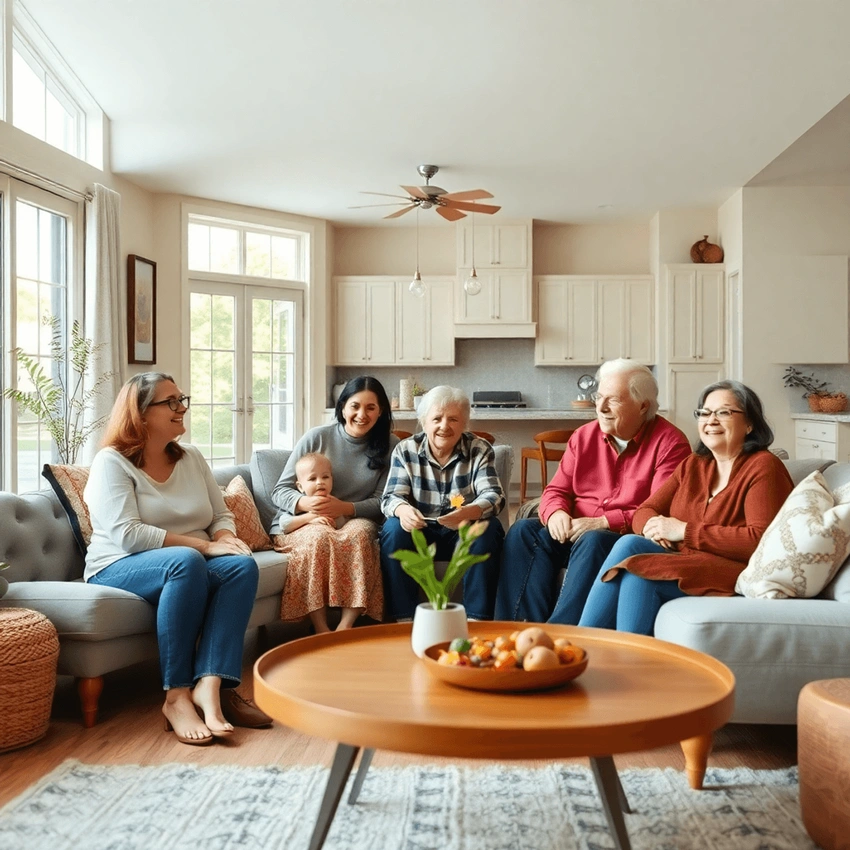
Enter multi-generational living: a return to a concept that was once the norm for most of human history. Grandparents, parents, and children-sometimes even aunts, uncles, and cousins-sharing a single dwelling. It's about building a stronger, more resilient family unit.
Imagine shared childcare duties, pooled resources for groceries and utilities, and the invaluable wisdom transfer from one generation to the next.
There's a beautiful synergy that emerges when generations live together-a support system that modern life often strips away,
notes family sociologist Dr. Anya Sharma. This communal approach fosters deeper bonds, reduces loneliness, and provides a built-in network for both celebration and crisis.

Navigating the New Landscape
Of course, multi-generational living isn't without its complexities. Privacy can become a precious commodity, and establishing clear boundaries is paramount. Differing lifestyles, expectations, and communication styles across age groups require patience and open dialogue.
However, with thoughtful design-think separate living areas, shared common spaces, and designated 'quiet zones'-many of these challenges can be mitigated.
It requires a commitment to collaboration and mutual respect. The success of these arrangements often hinges on pre-established agreements about finances, chores, and personal space. It's a journey of compromise, but one that many find deeply rewarding.
Redefining 'Family' for the Future
The 'nuclear family' isn't necessarily 'failing' in a moral sense, but its singular dominance as the ideal is certainly receding. Economic pressures, the desire for greater support, and a yearning for community are pushing us towards more inclusive, adaptable living structures. Multi-generational homes offer a compelling alternative-a vibrant ecosystem where every member contributes, learns, and thrives.
Perhaps the future of family isn't about shrinking the unit, but expanding the circle.


Login to comment.
No thots yet. Be the first to share your thoughts!