IOC bans Ukrainian skeleton racer over war-dead helmet

IOC bans Ukrainian skeleton racer over war-dead helmet
A Ukrainian skeleton racer faces disqualification at the Milano-Cortina Games for wearing a helmet bearing images of war dead, underscoring Olympic rules on political speech.
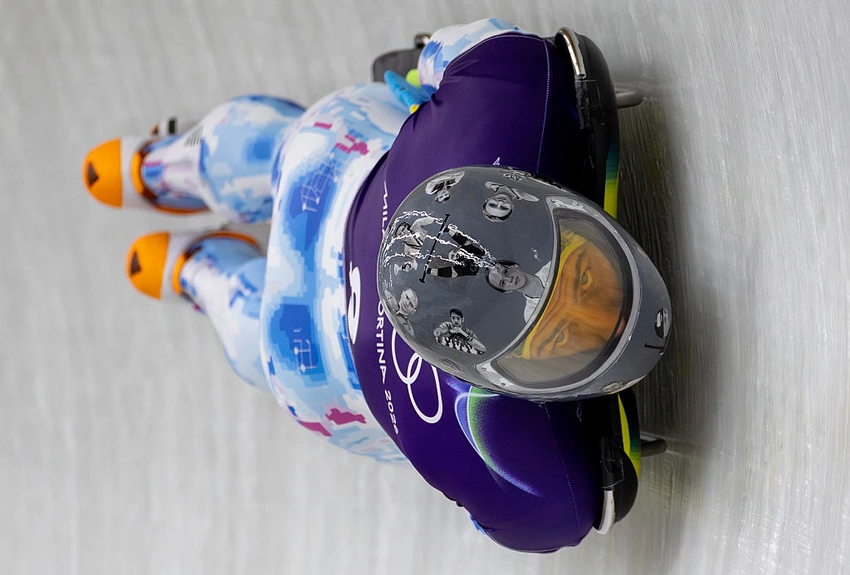
At the Milano-Cortina 2026 Winter Games, Ukrainian skeleton racer Vladyslav Heraskevych was barred from competing after wearing a helmet adorned with images of athletes killed during Russia’s invasion of Ukraine. Olympic officials said the helmet violated the Games’ ban on political speech, leading to immediate disqualification from his event.
Officials had previously told him that the imagery crossed the line into political messaging, a line the IOC has drawn to keep the focus on sport rather than wartime sentiment. The helmet’s memorial design, meant to honor fallen teammates, was deemed incompatible with the neutrality required in Olympic competition.
Reaction from Kyiv and the athlete’s supporters quickly followed, with critics arguing the decision stifles expression and the ability to honor those killed. The IOC, however, emphasizes equal enforcement of the policy and the need to avoid political statements on the field of play.
This case spotlights a broader debate about how far athletes can go in commemorating tragedies within the Games. Supporters say mourning and remembrance belong at the Olympics, while officials insist rules are necessary to avoid turning the arena into a platform for political conflict.
As the policy stands, Heraskevych faces possible disciplinary action, and his case could prompt a formal review of how such imagery is treated in future Games. The skeleton competition continues, with the IOC watching closely how similar expressions are handled moving forward.
