H-1B Crackdown Sparks US Jobs and Talent Debate

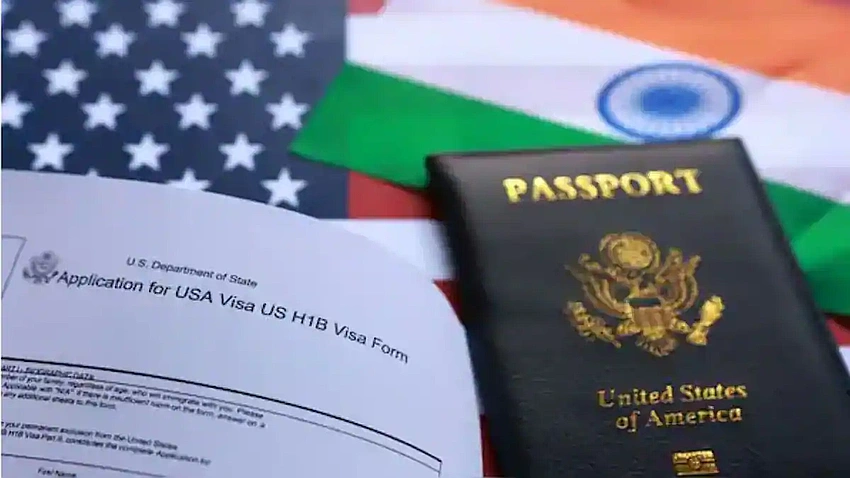
H-1B Crackdown Sparks US Jobs and Talent Debate
As lawmakers push to curb H-1B abuses, a bill to end or reform the program ignites a national discussion on jobs, talent, and immigration in Washington.
Washington is at the center of a growing debate over the H-1B visa program as lawmakers consider a bold measure to end it outright. A prominent MAGA-aligned lawmaker announced plans to aggressively phase out the program, arguing it has become a channel for mass replacement of American workers by cheaper foreign labor. The proposal would strip the H-1B program of its pathway to citizenship, effectively forcing many visa holders to return home when their visas expire. In a move that signals serious tilt toward domestic priorities, the bill would include a narrow exemption for medical professionals—10,000 annual visas for doctors and nurses—yet that cap would progressively fade over ten years to build a domestic talent pipeline. In a viral video statement, the lawmaker framed the measure as a necessary antidote to what she calls systemic abuse by Big Tech, AI firms, and hospitals.
At the same time, critics warn that scrapping the program could hinder U.S. innovation and slow the hiring of high-skilled workers in critical sectors. The debate comes amid previous calls from the White House to protect American workers while restoring accountability in the H-1B process. Reports linked to the administration’s stance note that efforts to curb abuses—such as a proposed high H-1B visa fee—underscore a broader shift in how Washington views foreign talent. Yet supporters emphasize that global talent remains essential to maintaining competitiveness in tech, engineering, and healthcare.
The political dynamics are complex. Some Republicans defend the program as a temporary bridge for high-skill gaps, while others, including Greene, argue that the program has been misused for years. The proposed bill, if enacted, would represent a sweeping reversal in U.S. policy toward temporary foreign workers, with far-reaching implications for Indian nationals and other professionals currently in the U.S. workforce. Employers, universities, and industry groups are watching closely, preparing to adjust hiring strategies and visa strategies in response to any potential policy changes. The fate of the measure remains uncertain, but the discourse signals a broader reevaluation of how the United States attracts and integrates global talent into its economy.
Cover image source: Is US looking to scrap the H-1B visa entirely? What's the new law being proposed? 🔗
