Jesse Jackson Dies at 84, Civil Rights Icon Remembered for Lifelong Activism

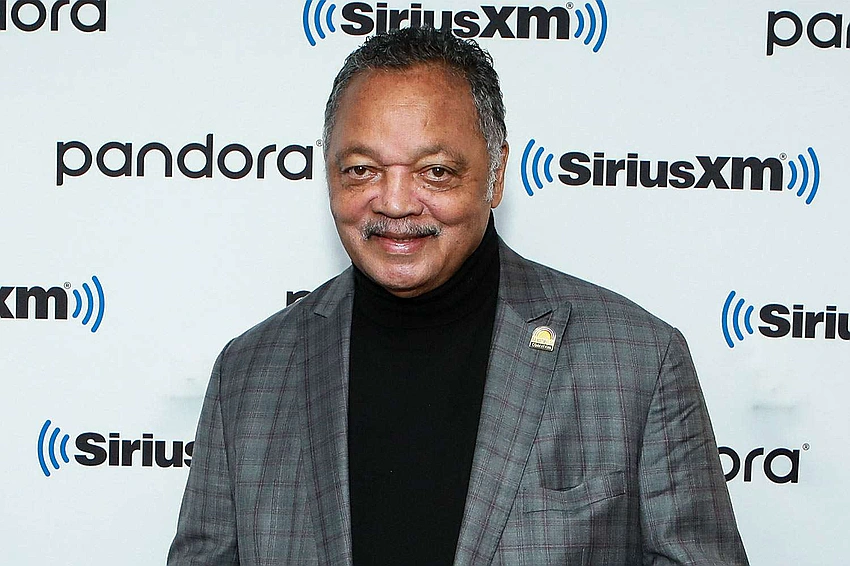
Jesse Jackson Dies at 84, Civil Rights Icon Remembered for Lifelong Activism
Civil rights leader Rev. Jesse Jackson dies at 84, leaving a legacy of advocacy, presidential campaigns, and a lasting impact on U.S. social justice.
Rev. Jesse Jackson, a towering figure in American civil rights and a Baptist minister who worked closely with Dr. Martin Luther King Jr., has died at age 84. Born in South Carolina in 1941, Jackson built a lifelong career around activism, advocacy, and politics, founding the Rainbow/PUSH Coalition and running for president twice.
Tributes from across the political spectrum celebrated his decades of work to advance racial equality, economic justice, and voter access. Jackson’s family said he died peacefully on Tuesday morning, surrounded by loved ones, signaling the end of a public life devoted to serving the oppressed and voiceless around the world.
Jackson’s influence extended beyond street protests and political campaigns. He forged alliances with major civil rights leaders, influenced policy discussions, and spurred conversations that reshaped how communities organize for change. His work with Dr. King helped lay groundwork for a generation of activists who followed in his footsteps.
In a moment that drew sharp attention to contemporary politics, former President Donald Trump invoked Jackson’s death to frame his own legacy and critique Democrats. On Truth Social, Trump wrote, “I knew him well, long before becoming President. He was a good man, with lots of personality, grit, and ‘street smarts.’” He added that he had helped Jackson by offering office space for Rainbow/PUSH at Trump Tower in New York City and asserted that he supported criminal justice reform “when no other President would even try.” The post also included a dig at Barack Obama, saying the former president showed insufficient gratitude toward Jackson.
Jackson’s legacy endures through Rainbow/PUSH and his lifelong commitment to justice and inclusion. His passing is being remembered as the close of a remarkable chapter in American civil rights history, with reflections on his collaborations, campaigns, and the persistent effort to translate ideals into policy that improved countless lives.
