Is HyperTexting the Algorithm-Free Social Web We Need?

Is HyperTexting the Algorithm-Free Social Web We Need?
Forget endless scrolling dictated by algorithms. HyperTexting offers a social media-like feed for the open web, giving you control. Is this the future or just a new fad?
The digital landscape feels stuck. We're all scrolling, sharing, consuming, but often with a nagging sense that something's off. Our feeds are curated by opaque algorithms, dictating what we see, shaping our opinions, and often limiting our exposure to diverse viewpoints.
But what if there was another way?
What if we could have the convenience of a social media feed without surrendering our online experience to unseen forces?
Enter HyperTexting, a fascinating new application launched on iOS that's challenging this status quo. Conceived by tech veteran Caleb Hailey, HyperTexting isn't just another RSS reader dressed up; it's a deliberate attempt to reclaim the open web. Hailey's vision harks back to the early days of the internet, where individuals and small communities built and owned their digital spaces.
HyperTexting translates that ethos into a modern, feed-based experience.
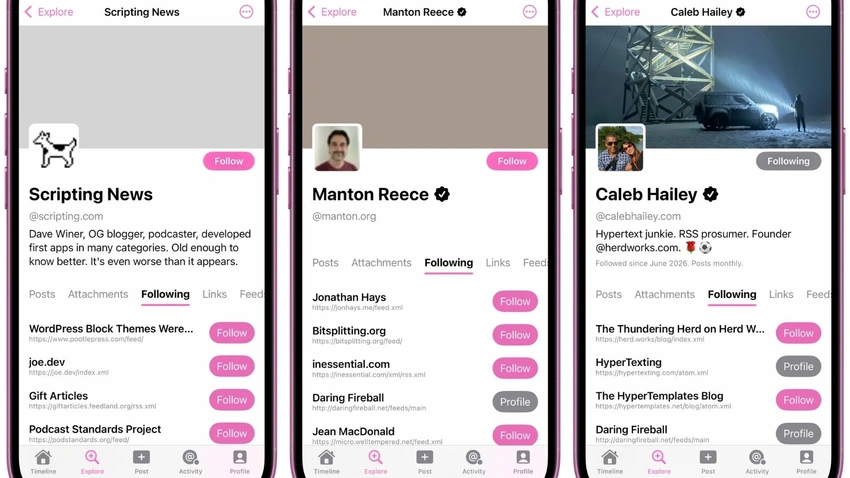
Imagine following your favorite websites, blogs, newsletters, and podcasts, not on siloed platforms, but within a single, continuously scrolling feed that looks and feels like Facebook or X. That's HyperTexting. It leverages the venerable RSS technology, but crucially, it hides the technical complexity behind an intuitive interface designed for mainstream users.
It's also about empowering creation. Users can connect their own sites built on platforms like WordPress or Ghost, ensuring their content appears in the feed while they retain full ownership and control, sidestepping the content monopolies of major social networks.
The app even features an Explore section for discovering trending topics and offers an optional Safari extension for effortlessly adding new sources. This whole approach feels refreshingly different. It's a powerful statement against the 'platformification' of the internet, offering a vision where conversations and content aren't locked into proprietary ecosystems but flow freely across the web.
But is this vision of a social media-like web without algorithms the future of online interaction, or just another trend? On one hand, the appeal is undeniable. Users crave agency over their digital lives.
The fatigue with algorithmic manipulation, echo chambers, and censorship is real.
HyperTexting offers a path to a more intentional, user-driven consumption of information.
It could foster a more diverse and healthier online discourse by decentralizing content discovery.
On the other hand, the challenge is immense. Social media platforms, for all their flaws, offer a powerful network effect and convenience that billions have grown accustomed to. Shifting that inertia requires not just a better product, but a cultural shift.
Can a tool that asks users to proactively curate their feed compete with the instant gratification of an algorithm-fed stream? HyperTexting's success will hinge on whether enough people are willing to trade the passive consumption of an algorithm for the active engagement of building their own digital space.
My take? While it faces an uphill battle against deeply entrenched habits, HyperTexting represents a crucial step.
It reminds us that the internet can, and should, be more than just a collection of walled gardens.
It might not fully replace current social media, but it could catalyze a much-needed evolution, pushing platforms to be more transparent and user-centric.
It's a fundamental aspiration that deserves our attention and support.
