Trump's Iran War: Media Blitz Raises Questions Amid Casualties

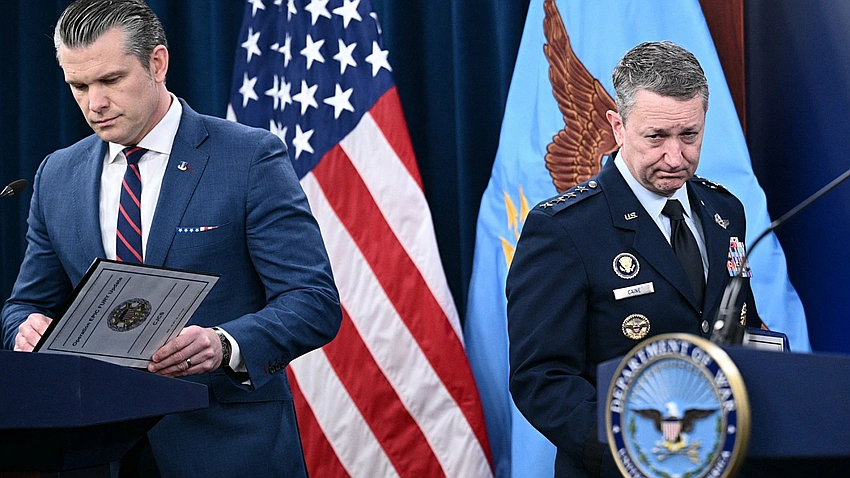
Trump's Iran War: Media Blitz Raises Questions Amid Casualties
As a broad US-Israeli campaign unfolds in Iran, the president's media push has done little to clarify strategy while four Americans are dead.
The United States has launched a wide-reaching campaign against Iran, described by the administration as massive and ongoing, with an alliance to Israel. In this volatile moment, four American service members have died, a stark reminder of the high stakes involved. The president has taken to a steady stream of media appearances, delivering statements in pre-recorded videos and briefings that have left many observers puzzled by the lack of a clear, coherent strategy. Across networks and outlets, officials and allies have echoed the sense that decisive planning may be lagging behind the rapid escalation on the ground. The administration has warned that more Americans could be casualties as the operation continues, underscoring the grim reality of given assessments and the human cost already incurred. This has fed a growing sense of urgency among allies and adversaries alike, while skepticism about the administration’s next steps grows among lawmakers and the public. The leadership has framed the action as a necessary response to threats and attacks, yet the messaging has frequently shifted, prompting questions about the endgame and the constraints of the campaign. The president compared the Iran situation to a prior operation in Venezuela, suggesting a similar outcome might be achieved, while analysts cautioned that Iran presents a far more complex regional dynamic. In conversations with several outlets, the president referenced a so-called “template” for how events might unfold, yet offered few specifics on targets, timelines, or the criteria for escalation. The discourse has included a claim that certain leaders or figures in Iran were identified as potential successors, only to be described as eliminated in quick succession, a detail that has fueled confusion about the strategic objective and the feasibility of replacing a 90-million-strong nation’s leadership. Critics argue that the lack of a transparent plan could heighten the risk of miscalculation and broader regional instability, while supporters contend that a strong, visible stance is needed to deter further aggression. As families mourn and the nation looks for guidance, questions persist about diplomatic options, potential de-escalation channels, and the balance between press visibility and concrete policy.

Login to comment.
No thots yet. Be the first to share your thoughts!