Davos 2026: AI, Geopolitics and Global Trade Redefine Tech Leadership

Davos 2026: AI, Geopolitics and Global Trade Redefine Tech Leadership
At Davos 2026, leaders explore AI-driven services, resilient supply chains, and how geopolitics shapes tech investment and global growth.
Davos 2026 is buzzing with a lineup of conversations on how technology is reshaping growth in a world of geopolitical uncertainty. Leaders are weighing the future of digital transformation, AI-led services, and resilient supply chains as enterprises rethink technology investments, talent, and innovation in a rapidly evolving landscape. One highlighted discussion centers on India’s growing role as a global technology partner and how IT services firms can drive growth, trust, and long-term value in a contested economy.
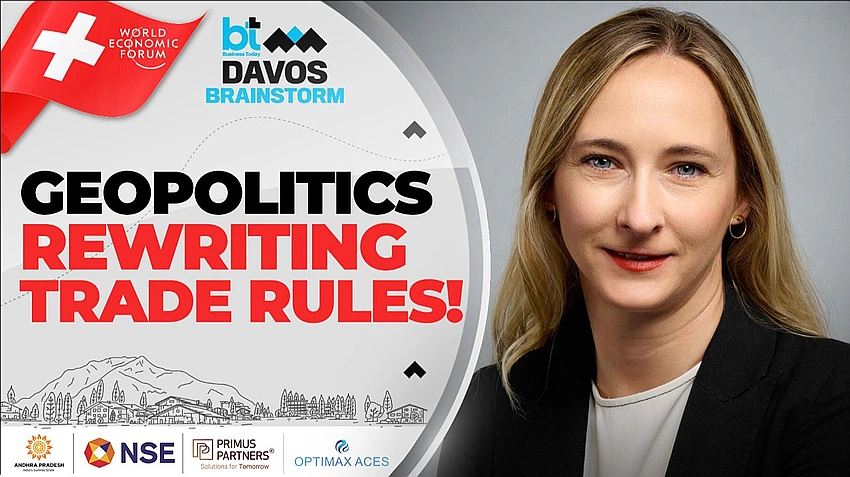
A separate high-level dialogue dives into geopolitics, power shifts, and the rules of global trade. Industry experts examine whether geopolitics has become the dominant force behind tariffs, supply chains, and investment flows, with attention to the rise of trade blocs, competition over energy, AI, and infrastructure. The session also considers the role of emerging markets in setting—and not merely following—global rules, with special focus on the Middle East and North Africa region as part of a broader reordering of economic influence.
In another strand, the Davos conversations address tensions between major powers and the risks of escalating trade wars. The discussion highlights concerns over confrontation between major economies, yet remains hopeful that diplomacy can still yield breakthroughs. Executives and policymakers weigh how economic nationalism is reshaping markets and alliances, while analyzing how past moments of cooperation could inform future deals.
Across the agenda, delegates stress that technology investment, talent development, and open, trusted collaboration will be crucial to navigating a world where supply chains must be more resilient and where AI-driven growth can coexist with responsible governance. The overarching message is clear: collaboration, clarity in policy, and pragmatic diplomacy will help sustain global growth in an era of rapid change.
