AI Detection Wars: Friend or Foe for Your Creative Spark?
AI Detection Wars: Friend or Foe for Your Creative Spark?
Superhuman just bought GPTZero, deepening the AI detection game. Is this a win for originality, or a barrier to innovation? Let's unpack what it means for creators, students, and the future of human output.
The recent acquisition of GPTZero by Superhuman, the company behind Grammarly, really puts the spotlight on a critical question: are AI detection tools friends or foes for creativity and learning?
Superhuman already had an AI detection tool built into its platform, largely inherited from Grammarly. Now, by bringing GPTZero into the fold, it signals a doubling down on the technology. As they put it, "two AI detectors are better than one." But better for whom, and for what?
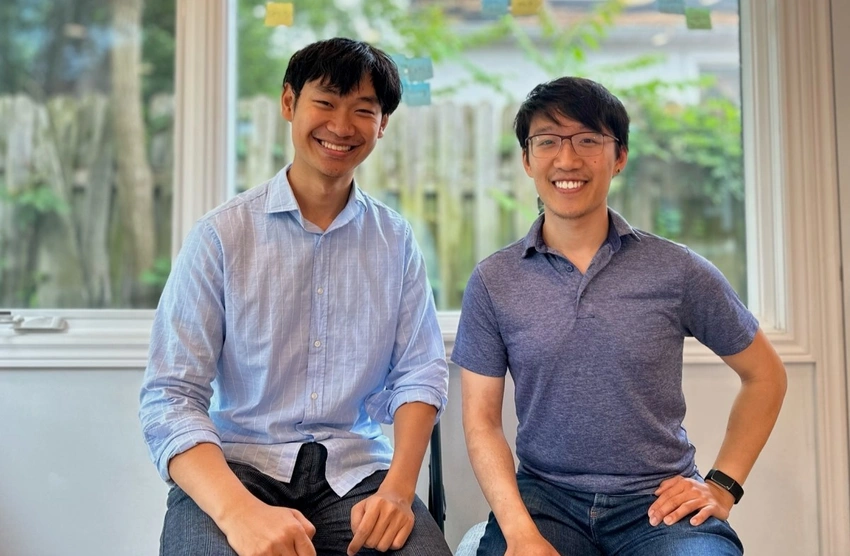
GPTZero's journey is pretty remarkable. Edward Tian, a Princeton grad, started it as a senior thesis project. Fast forward, and this three-year-old startup amassed over 19 million registered users and was raking in $30 million in annual recurring revenue – and get this, it was profitable in 2024. Tian and co-founder CTO Alex Cui, high school friends, raised $3.5 million in a seed round from Uncork Capital, then a $10 million Series A led by Footwork's Nikhil Basu Trivedi, with other notable investors like Reach Capital, Jack Altman's Alt Capital, and Neo. All told, they only raised $13.5 million.
Their mission? To "help humans detect and defend against AI slop." Grammarly's tool, on the other hand, often helps students check if their writing appears AI-generated, then refine it. This distinction is key.
- The 'Friend' Argument: For educators and content integrity, these tools seem essential. They can uphold academic honesty, prevent widespread plagiarism (even from AI), and ensure that human effort is genuinely recognized. When GPTZero boasts 19 million users, it's clear there's a huge demand for this kind of verification. It's about protecting the value of original thought.
- The 'Foe' Argument: Here's where it gets tricky. What if these tools stifle experimentation or penalize unique, human-generated styles that happen to resemble AI patterns? The fear is that students or creators, trying to innovate or just learn to write better, might be falsely flagged. This could lead to a 'play-it-safe' mentality, discouraging diverse writing styles and pushing everyone towards a bland, 'AI-proof' conformity. Imagine a future where we're all writing to avoid detection, rather than to express ourselves freely.
The challenge for Superhuman and GPTZero is to ensure these tools are precise and don't become gatekeepers against genuine creativity. The goal should be to empower human originality, not to inadvertently police it into submission. As an industry, we need to carefully navigate this balance, ensuring that our technological advancements don't accidentally undermine the very human qualities we aim to protect.
