India's True Quake Giants: Bhuj Wasn't the Strongest!

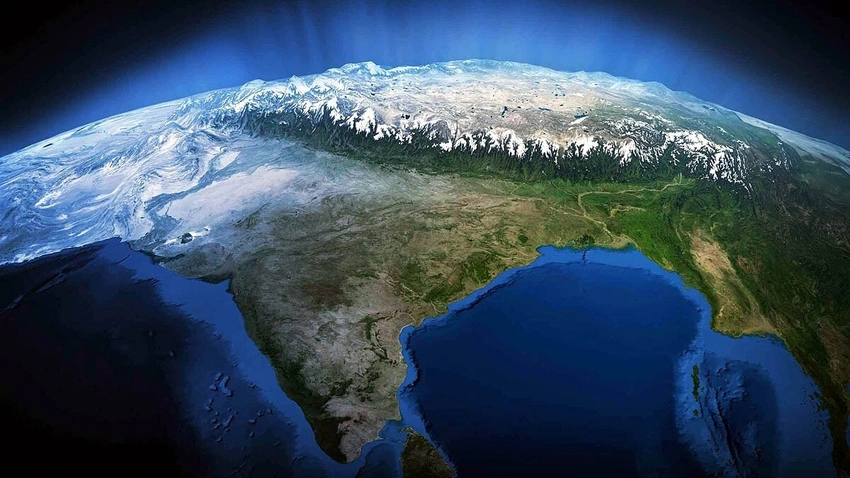
India's True Quake Giants: Bhuj Wasn't the Strongest!
Uncover India's seismic history! Discover the real record-holders for the most powerful earthquakes that shaped the subcontinent, far surpassing the Bhuj disaster. Stay informed on seismic zones.
While the 2001 Bhuj earthquake is etched in India's memory as a devastating disaster, it might surprise many to learn it wasn't the country's most powerful quake. India, located along the dynamic collision zone of the Indian and Eurasian tectonic plates, is inherently vulnerable to significant seismic activity, especially across the Himalayan belt and surrounding regions. This geographical reality has led to numerous powerful earthquakes, some originating within India's borders and others causing extensive damage from neighboring areas.
Historically, the undisputed strongest earthquake associated with India is the 1950 Assam-Tibet earthquake, which registered a staggering magnitude of 8.7. This colossal event claimed approximately 4,800 lives and left a trail of widespread destruction across Assam, Tibet, and adjacent areas. It stands as one of the largest continental earthquakes ever recorded, a direct consequence of the immense forces at play between the colliding tectonic plates.
Another major historical event was the 1934 Bihar-Nepal earthquake, which hit with a magnitude of 8.1. This devastating quake caused extensive damage throughout Bihar and Nepal, with death tolls estimated between 10,700 and 12,000, including 7,253 fatalities in Bihar alone. Towns like Rajnagar, Madhubani, Darbhanga, Bhagalpur, and Patna experienced severe destruction, with Sitamarhi reportedly having almost every house damaged or destroyed.
More recently, the 2015 Nepal earthquake, though centered in Nepal's Gorkha district, significantly impacted northern and eastern India, Bangladesh, Tibet, and parts of China. With a magnitude of 7.8, it resulted in nearly 9,000 deaths and over 22,000 injuries across the affected regions. The disaster caused economic losses estimated at around $7.8 billion, making it Nepal's worst earthquake in about a century. Additionally, the 2005 Kashmir earthquake, registering a magnitude of 7.6, brought severe devastation to the region.
These historical events serve as a stark reminder of India's complex seismic landscape and the critical importance of understanding and preparing for the powerful forces beneath our feet. While the Bhuj earthquake remains a tragic chapter, the country's seismic history reveals even grander, more destructive events.
