Hungary votes in tight race that could end Orbán’s 16-year rule

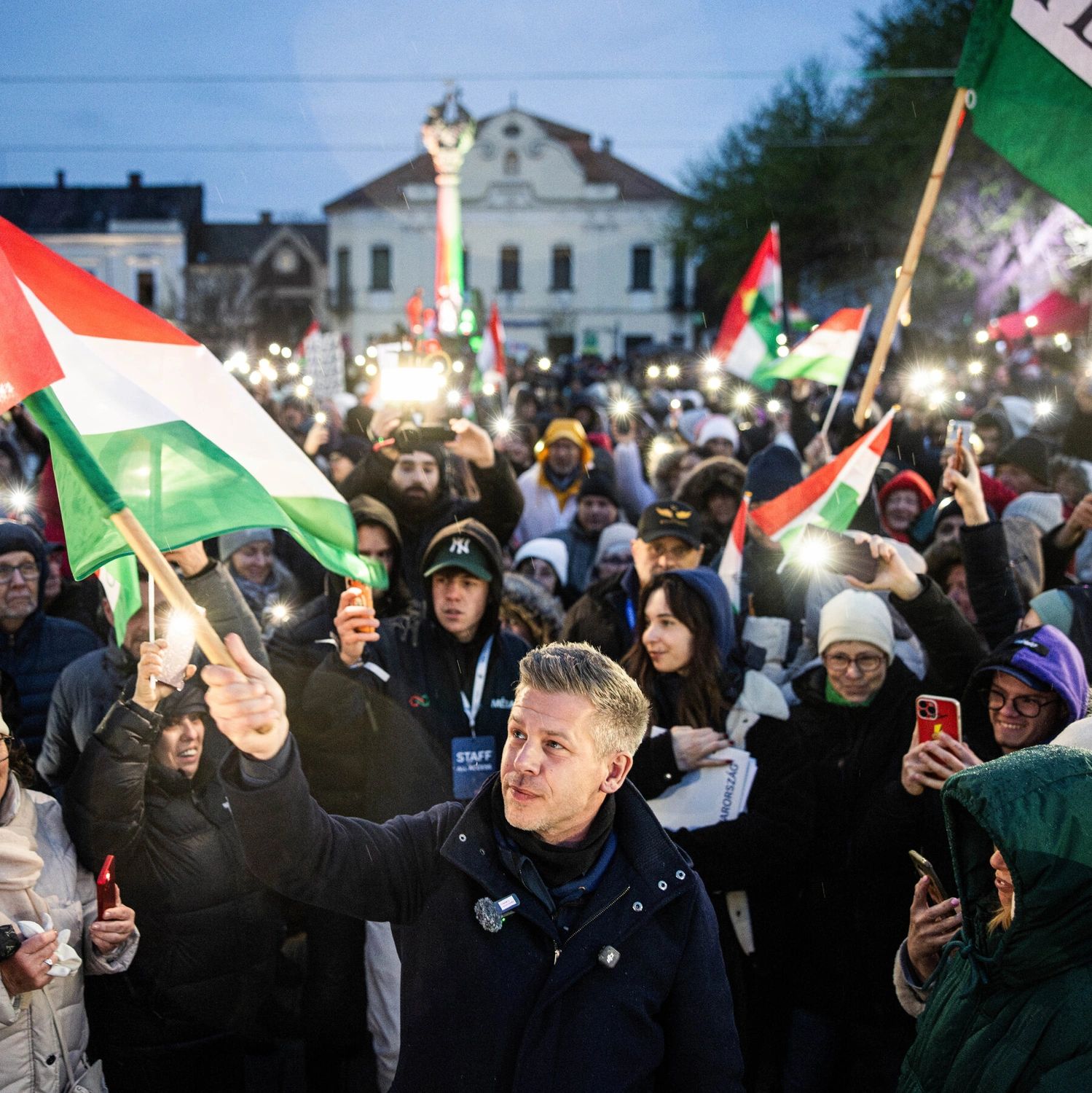
Hungary votes in tight race that could end Orbán’s 16-year rule
Hungarians head to the polls in a pivotal election where Péter Magyar challenges Viktor Orbán, with international attention and warnings about the EU, Ukraine, and domestic reform.
Hungary heads to a pivotal parliamentary election that could end Viktor Orbán’s 16-year grip on power. At the center of the race is Péter Magyar, a former member of Orbán’s party who has built a nationwide effort around anti-corruption vows, a reboot of ties with the European Union, and stronger funding for public services. This contest is being watched far beyond Hungary’s borders as the country faces questions about democratic norms, economic growth, and regional influence.
Orbán has argued that Hungary’s stability in a volatile region depends on steady leadership and a stance that prioritizes sovereignty during a tense war in Ukraine. Magyar and his center-right Tisza party counter that years of governance under Orbán have weakened institutions, eroded trust, and left public services underfunded. They promise to repair relations with Brussels and unlock more EU funds to improve healthcare, education, and infrastructure across the country.
The campaign has drawn global attention. JD Vance visited Budapest this week to show support for Orbán, while U.S. President Donald Trump has publicly endorsed him on social media. European leaders, including Giorgia Meloni and Benjamin Netanyahu, have signaled backing as well, underscoring how a Hungarian election has become a stage for wider debates about Europe’s future, relations with Moscow and Washington, and the bloc’s unity.
Analysts caution that Magyar may be ahead in most polls, but the result remains uncertain because undecided voters and Hungarians living abroad can still sway late ballots. Allegations of vote-buying have circulated, complicating a contest already described as a referendum on Hungary’s democratic norms and its path within the European Union. The outcome will reflect how ordinary Hungarians view the balance between strong leadership and political reform in a country that has reshaped its media, institutions, and foreign policy under Orbán’s long tenure.
Whatever the result, the vote is poised to mark a turning point for Hungary and its place in Europe. Orbán’s supporters frame the election as a choice for sovereignty and pragmatic governance, while Magyar’s backers argue for transparency and renewed EU engagement. The ripple effects could touch EU funding, regional security, and Hungary’s stance in the ongoing war and diplomacy with major powers.
