Your Grandma's Sari: The New Face of Sustainable Style?

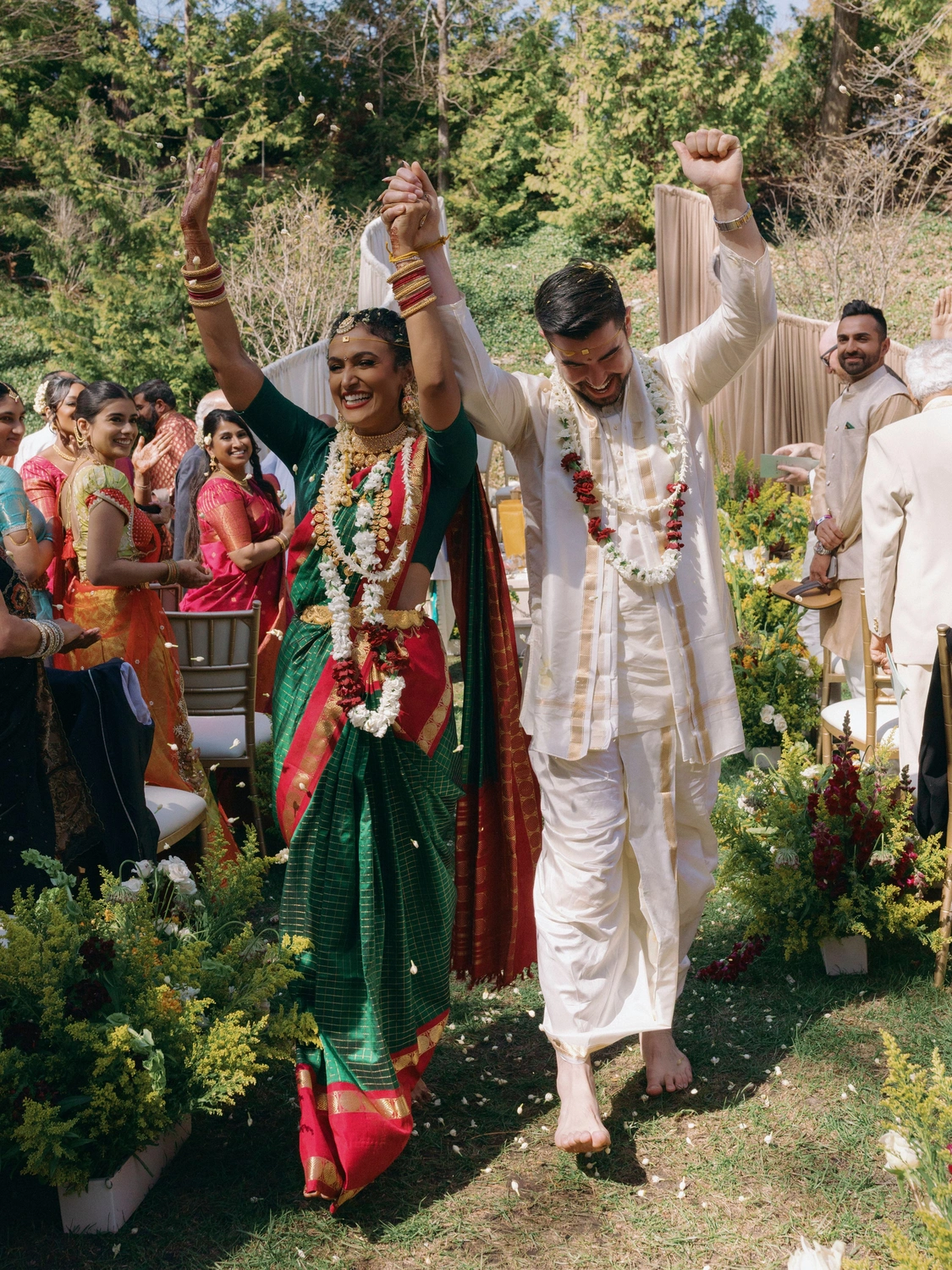
Your Grandma's Sari: The New Face of Sustainable Style?
Tired of fast fashion's fleeting trends? Discover how upcycling cherished family heirlooms isn't just eco-friendly, but also a powerful statement of personal style, heritage, and a stand against consumerism. It's time to
Beyond Fast Fashion: Is Upcycling Family Heirlooms the Ultimate Sustainable Style Statement?
In an age dominated by fleeting trends and the relentless churn of fast fashion, it's easy to feel caught in a cycle of consumption. We're constantly bombarded with new collections, urged to buy more, and discard just as quickly. The environmental toll is staggering, from overflowing landfills to egregious water waste and carbon emissions. But what if the most revolutionary statement we could make wasn't found on a runway, but nestled in our own attics and wardrobes?
The answer might just lie in the cherished textiles passed down through generations: family heirlooms. Imagine a world where your most significant garments aren't newly bought, but lovingly crafted from the fabric of your family's history. Picture a breathtaking bridal ensemble or a show-stopping formal outfit, not from a brand new bolt of silk, but from a treasured sari or a vintage suit, rich with stories and memories.
This isn't just about 'upcycling' in the generic sense. This is about reverential repurposing. It's about taking a piece that holds immense sentimental value – perhaps the sari worn by your grandmother on her wedding day, or a finely embroidered fabric from a beloved aunt – and giving it a vibrant, contemporary second life. It's about blending the old with the new, creating something utterly unique that no mass-produced item could ever replicate.
The beauty of this approach is multi-faceted. Firstly, it's profoundly sustainable. By transforming existing garments or fabrics, we divert waste from landfills and reduce the demand for new production, thereby lessening the environmental footprint of our wardrobes. It's a tangible step towards a circular fashion economy, challenging the 'take-make-dispose' model that has defined the industry for too long.
Secondly, it's incredibly personal and meaningful. Each stitch in an upcycled heirloom garment tells a story. It carries the essence of the women (or men) who wore it before, weaving their legacy into your present. In a world craving authenticity, what could be more genuine than a garment that connects you directly to your roots and personal narrative? It's fashion as heritage, as a living memory.
Thirdly, it's an undeniable style statement. Fast fashion offers conformity; heirloom upcycling offers individuality. You're not just wearing a dress; you're wearing a conversation piece, a work of art, and a testament to conscious living. It’s bespoke fashion at its finest, tailored not just to your body, but to your personal history and values.
Of course, it takes vision and skill. It might involve a talented tailor transforming a traditional sari into a modern gown, or a designer reimagining vintage fabrics into chic separates. The investment might be in time and craftsmanship rather than raw materials, shifting value from quantity to quality, from newness to narrative.
So, as we look for ways to make our fashion choices more ethical and impactful, let's look beyond the latest drops and fleeting trends. Let's look inward, to the treasures that already exist within our families. Upcycling family heirlooms isn't just a trend; it's a powerful philosophy, a profound statement, and perhaps, the ultimate form of sustainable style.
