Child Star's Shocking Side Hustle: What's Really Up With Residuals?

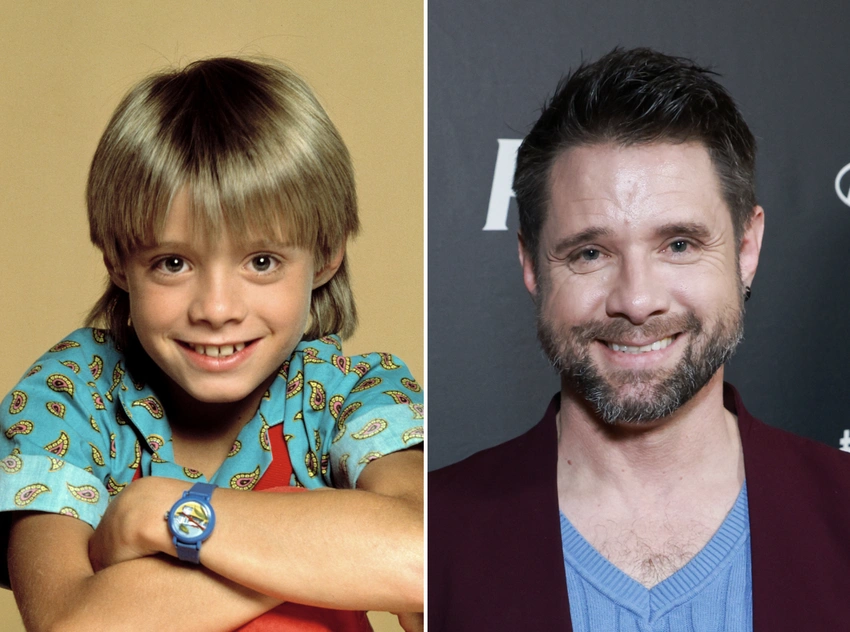
Child Star's Shocking Side Hustle: What's Really Up With Residuals?
Danny Pintauro, star of 'Who's the Boss?', revealed he's an Amazon driver, one of five jobs! It's a stark look at how Hollywood's residual system fails even beloved child actors. Why aren't they paid?
From Sitcom Star to Gig Worker: The Reality of Actor Residuals
Remember Jonathan Bower from 'Who's the Boss?', the adorable son of Angela Bower, who graced our screens for eight seasons on the beloved ABC sitcom? Well, Danny Pintauro, the actor who brought Jonathan to life, recently shared a photo of himself as an Amazon delivery driver. That's right, an Amazon delivery driver.
And his candid explanation?
It's 'one of five jobs' he now has because he 'don't make money from residuals'.
It's a direct spotlight on a fundamental crack in Hollywood's compensation structure. For a child actor who spent nearly a decade on a massively popular network show, the industry's promise often implies a certain level of financial stability from the ongoing success of their work.
Yet, here we are, seeing the stark reality that this promise frequently fails to materialize.
The Residuals Myth vs. Reality
Residuals are supposed to be a lifeline. They're meant to provide actors with a percentage of earnings whenever their shows re-air, stream, or are distributed in new markets. They're designed to offer some financial stability for artists whose work continues to generate revenue long after the original production wraps.
But Danny's situation, sadly, isn't isolated. Many actors, even those from successful productions like 'Who's the Boss?', find themselves in similar precarious positions.
The shift to streaming, the ever-evolving landscape of content distribution, often opaque accounting practices, and outdated union agreements mean that for many, those residual checks either dwindle to pennies or were never significant enough to rely on in the first place. The big question then becomes: Is Hollywood’s system fair?
Is the System Truly Fair?
When a show like ‘Who’s the Boss?’ continues to be licensed, syndicated, and enjoyed by new generations, generating revenue for studios and distributors, how can it be considered fair that the talent—the very individuals integral to its creation and success—are left struggling? Is it truly equitable that the iconic image of Jonathan Bower, a character etched into the cultural memory of millions, earns practically nothing for the man who devoted his childhood to bringing him to life?
It's about principle. Danny Pintauro's story highlights the inherent precarity of an acting career, especially for child stars who often lack the agency, knowledge, or protection to negotiate robust long-term financial deals.
It forces us, as an industry and as consumers, to ask critical questions:
- Are we genuinely supporting the artists who create the content we consume?
- Or are we, as an industry, failing them systemically?
Danny’s ‘one of five jobs’ isn't just about an individual actor's employment choices; it's a glaring symptom of a larger, potentially unsustainable, and ethically questionable creative ecosystem. It's time for some serious introspection on how Hollywood values and compensates its most vital asset: its talent.
