Fast Fashion's Hidden Truth: Are Your Clothes Lying to You?

Fast Fashion's Hidden Truth: Are Your Clothes Lying to You?
A shocking EU Commission study reveals 37% of clothing is mislabeled. Are you paying for lies? It's time to demand transparency in every thread and hold brands accountable.
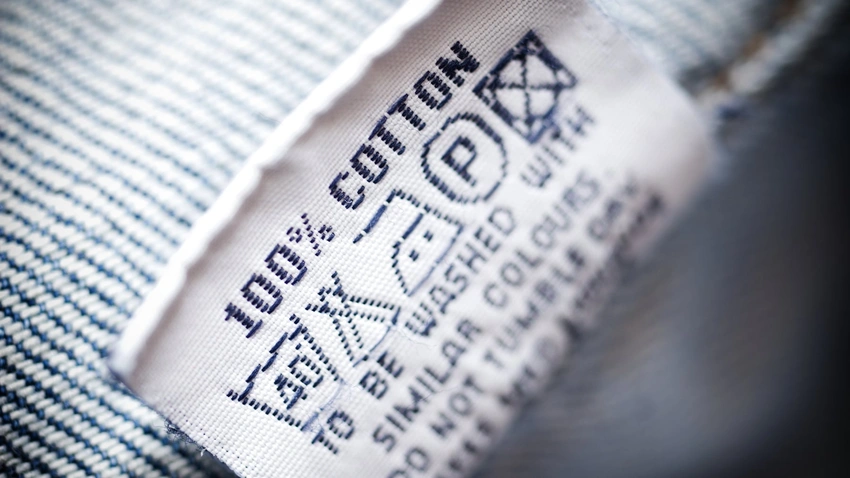
Let's talk about something uncomfortable but critical that's hanging in many of our closets. You might think those labels inside your clothes are a straightforward, factual guide to what you're buying. Think again. A recent study, directly from the EU Commission, has dropped a bombshell: a staggering 37 percent of clothing materials tested in their campaign were not correctly identified on their tags. That's right, more than a third of garments had labels that completely misrepresented their true fibre composition. This isn't just a small oversight; it's a pervasive issue that actively erodes consumer trust and makes truly informed decisions nearly impossible.
This deliberate obscuring of truth is a cornerstone of the fast fashion model. Brands often profit from using cheaper, less sustainable materials, and when the labels are misleading, they can pass off synthetic blends as something more desirable or environmentally friendly. Imagine purchasing what you believe is a durable, natural fibre garment, only to find its actual composition leads to quicker wear, microplastic shedding, or complicated, energy-intensive care. Your choices around sustainability, ethics, and even how you recycle or dispose of an item are completely undermined by this deceptive practice. It’s not just about fibre composition; it’s about the integrity of the entire supply chain.
The real sting here? We, the consumers, are effectively paying for lies. When a brand knowingly mislabels its products, it’s not only a betrayal of our trust but also a barrier to genuine progress in sustainable fashion. How can we make conscious efforts to reduce our environmental footprint or support ethical production when the very information designed to guide us is flawed? This widespread mislabeling makes it incredibly challenging for anyone to truly engage with responsible consumption, perpetuating a cycle of disposability and environmental harm.
It's time for a major shake-up in the industry. Transparency shouldn't be a niche selling point; it must become the fundamental standard. We need robust enforcement from regulatory bodies and significant penalties for brands found engaging in this widespread deception. As consumers, our power lies in demanding better. Let's start questioning those labels, holding brands accountable, and advocating fiercely for clear, honest reporting of fibre composition. The future of genuinely sustainable fashion, and our collective ability to make responsible choices, depends on shedding light on these hidden truths. This isn't just about a fabric blend; it's about demanding honesty in every stitch and thread.
