EU seals landmark Mercosur trade deal after 25 years of talks

EU seals landmark Mercosur trade deal after 25 years of talks
After a quarter-century of negotiations, the EU clinches a free-trade pact with Mercosur, drawing protests and praise as leaders tout growth and safeguards.
After two-and-a-half decades of negotiations, the European Union has clinched a free trade agreement with Mercosur, a bloc made up of Brazil, Argentina, Paraguay and Uruguay. The deal, the EU's largest to date, is pitched as a driver of growth for both sides and a boost to cooperation in a tense global trade environment.
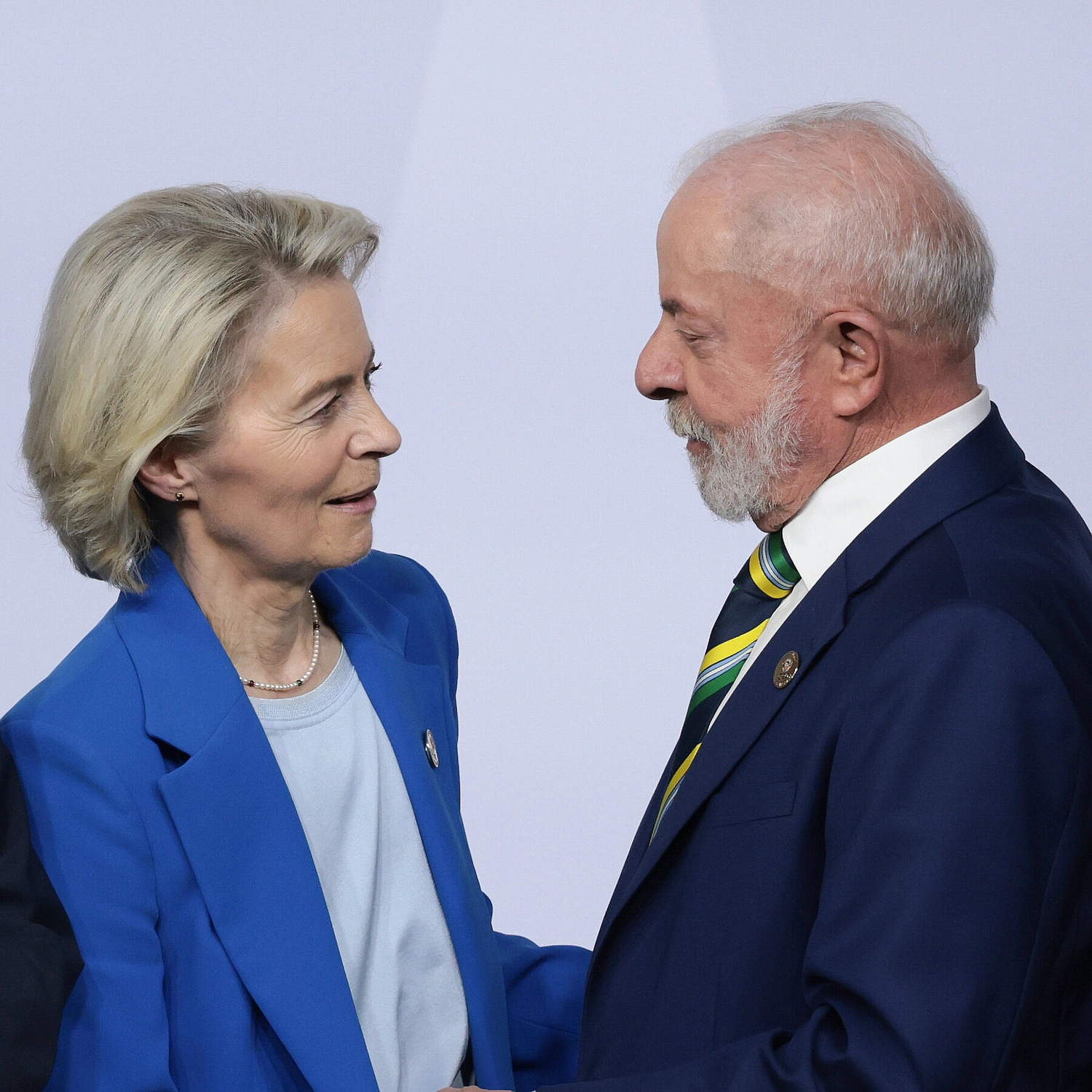
Leaders hailed the move. Brazil's President Lula da Silva described it as historic for multilateralism, while EU Commission President Ursula von der Leyen said the pact will bring meaningful benefits to consumers and businesses alike. The agreement still requires formal approval by the European Parliament in the coming months.
Farmers across several European countries voiced opposition, arguing the accord could flood markets with cheaper goods such as beef, poultry and sugar and threaten livelihoods. Protests featuring tractors blocked roads in parts of France and Belgium, underscoring the tension between trade liberalisation and rural interests.
Supporters say the deal deepens economic ties and helps reduce protectionism in a shifting world order, with the United States adopting a tougher line in its own trade policy. The Commission said it had listened to farmers' concerns and included robust safeguards to protect livelihoods and ensure a fair playing field.
Analysts note that the agreement aims to boost exports and investment while expanding consumer choices. They caution that real gains depend on Parliament's approval and on how safeguards function in practice, particularly in sensitive sectors like beef, poultry and sugar. The road to ratification will test the EU's ability to balance openness with domestic safeguards.
As the deal progresses, observers will watch for concrete economic effects and how farmers adapt to the new rules. If ratified, the pact could mark a turning point in Europe-Latin America trade relations, signaling a more collaborative, rules-based approach to global commerce even amid broader protectionist pressures.
