Is Your Caller Really Who They Say They Are? The Vishing Threat

Voice spoofing is making vishing calls impossible to trust. AI's dark side means your loved ones' voices can be faked. How do we protect ourselves in this new digital battlefield?
Can We Still Trust a Phone Call?
The ring of a phone used to signify a direct connection, a trusted voice on the other end. Today, thanks to advancements in artificial intelligence, that simple act of answering a call is fraught with a new, insidious danger: advanced 'vishing' attacks. We're not just talking about cold callers anymore; we're talking about sophisticated AI that can perfectly clone voices, turning our most familiar sounds against us.
The question isn't if this threat will impact you, but when .
The Echoes of Deception
Vishing, a portmanteau of 'voice' and 'phishing', isn't new.
Scammers have long used phone calls to trick people into revealing sensitive information or transferring money.
Think of the classic 'IRS scam' or the 'tech support' fraud.
These relied on social engineering and impersonation, often with poor accents or unconvincing stories.
What's changed is the game-altering power of voice spoofing technology. Scammers no longer need to sound convincing; they just need a few seconds of your voice, or the voice of someone you know, to create a perfect replica. This capability elevates vishing from a nuisance to a deeply personal and emotionally manipulative attack.
When AI Becomes the Imposter
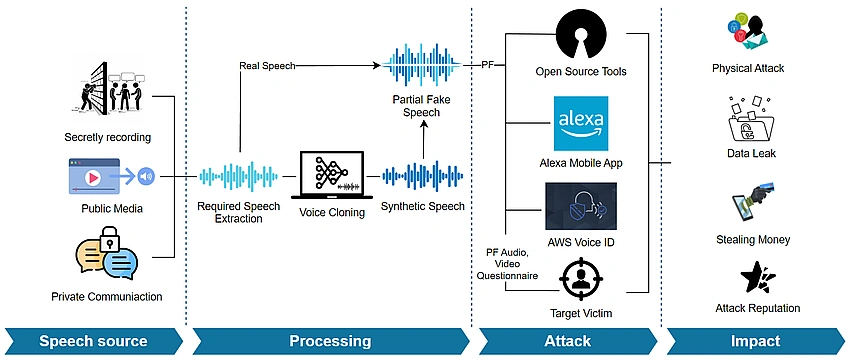
Artificial intelligence has made voice cloning frighteningly accessible. Sophisticated algorithms can analyze speech patterns, tone, and vocal nuances, then generate new speech that is virtually indistinguishable from the original. It's about creating an identical vocal fingerprint.
Imagine getting a panicked call from your child, parent, or spouse, asking for urgent financial help, their voice, their inflections, their typical phrases. Your immediate reaction would be to assist.
The scariest part isn't just that they can clone voices, but how easily they can do it,
says cybersecurity expert Dr.
Anya Sharma. “A few seconds of audio can be enough to create a convincing replica.” This technological leap bypasses our usual skepticism, targeting our deepest emotional vulnerabilities.
A Crisis of Trust
The implications are profound. If we can't trust the sound of a loved one's voice over the phone, how do we verify anything? This erosion of trust extends beyond personal relationships to institutions, banks, government agencies, even workplaces.
Scammers can impersonate CEOs, bank managers, or IT support, gaining access to critical systems or funds with a simple, yet perfectly cloned, vocal command.
It places an impossible burden on individuals to constantly question reality. The mental toll of such pervasive deception can lead to anxiety and a chilling reluctance to engage over the phone, impacting communication in an increasingly digital world.
Building Your Digital Defense
While the threat is daunting, we aren't powerless. Here’s how to fortify your defenses:
- Establish a verbal “safe word” or code phrase with close family and friends for financial or urgent requests. If they can’t provide it, hang up and verify through another channel.
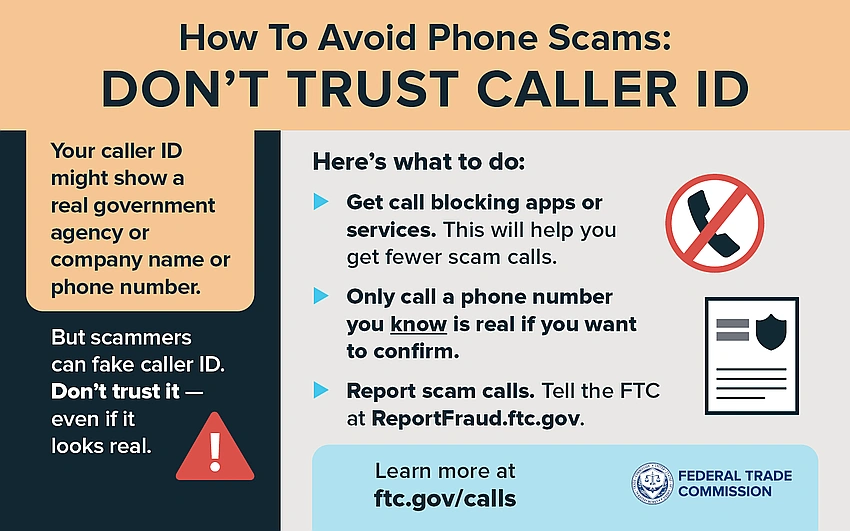
- Verify through another channel. If you receive an urgent request by phone, call the person back on a known, trusted number, or contact them via text or email to confirm.
- Be skeptical of urgency. Scammers thrive on creating panic. Take a moment to breathe and question the request, especially if it involves money or personal information.
- Enable multi-factor authentication (MFA) on all your critical accounts. This adds an extra layer of security, even if a scammer gets your credentials.
- Limit public exposure of your voice. Be mindful of what audio you share online, as it can be scraped for training AI models.
The Future of Connection?
The rise of AI-powered vishing forces us to adapt our understanding of security and trust.
It's a stark reminder that as technology advances, so do the methods of those who seek to exploit it.
Can we ever truly trust a phone call again?
Perhaps not blindly, but with heightened awareness and proactive measures, we can navigate this new landscape, protecting our finances and, crucially, our peace of mind.