Gaza Death Toll Tops 70,000 as Ceasefire Holds Amid Strikes

Gaza Death Toll Tops 70,000 as Ceasefire Holds Amid Strikes
The Gaza death toll surpasses 70,000 as fighting persists despite a ceasefire, with fresh strikes and a worsening humanitarian crisis fueling international concern.
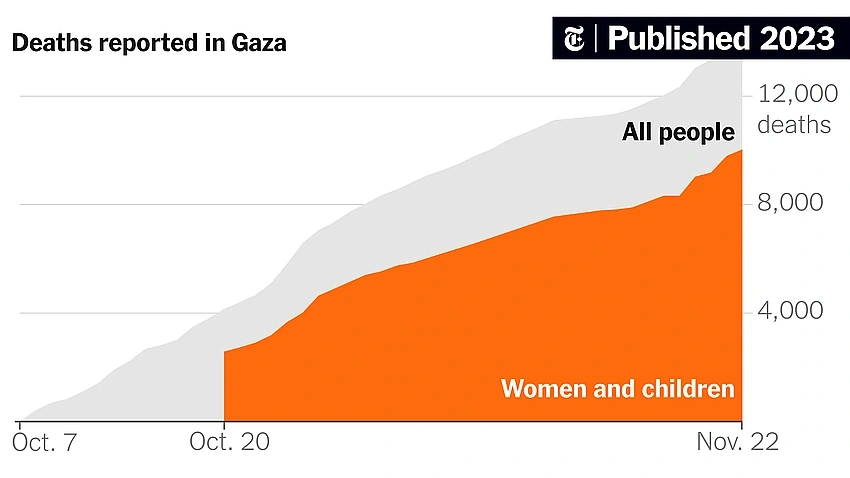
More than 70,000 Palestinians have been killed in Gaza since the war began, according to the territory's Hamas-run health ministry. The toll has continued to rise even after a ceasefire took effect on October 10, as Israeli forces carry out strikes they say target militants violating the truce. Hospitals and clinics report mounting casualties, while the humanitarian situation worsens with limited fuel, shortages of medicines, and dwindling electricity across the strip. The health ministry's daily tallies are monitored by international observers who say they reflect a grim reality on the ground despite efforts to keep civilians out of harm's way.
In the latest strike in the south, two brothers, Fadi Abu Assi, 8, and Juma Abu Assi, 11, were killed while authorities said they were gathering firewood near a school sheltering displaced residents in Beni Suheila, near the town's outskirts. The hospital that received their bodies said the children were among those killed by an Israeli drone strike.
The Gaza health ministry puts the overall toll at about 70,100, while reporting that at least 352 Palestinians have been killed since the ceasefire began. Israel says its strikes are aimed at militants violating the truce, and Hamas has urged mediators to press Israel to stop what it calls ceasefire violations while pledging to uphold the agreement.
The ceasefire, reached after days of difficult negotiations, remains fragile as fighting continues along several fronts. Aid corridors and humanitarian access remain insufficient for many families, with electricity cuts, fuel shortages, and limited medical supplies hampering relief efforts. International observers say the humanitarian crisis is deepening, underscoring the urgent need for sustained, verifiable steps to protect civilians and restore basic services.
As civilians bear the brunt of the conflict, diplomats and aid groups are renewing calls for a durable solution that can deliver real relief and allow aid to reach those in desperate need. The coming days are likely to test the strength of the ceasefire and the international community's ability to push for accountability and protection of civilians.
