Takaichi's landslide win reshapes Japan's security policy

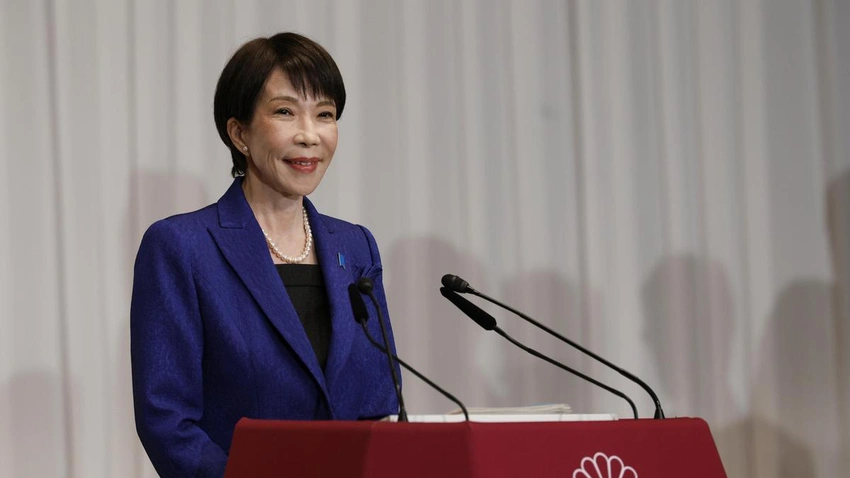
Takaichi's landslide win reshapes Japan's security policy
Experts say Tokyo's landslide victory signals a tougher security stance and closer Indo-Pacific ties, with India in focus as China looms.
Japan's snap election delivered a landslide victory for Sanae Takaichi, with the Liberal Democratic Party taking 316 of 465 seats and a comfortable two-thirds majority in the lower house. The victory, which she called for after rising to power in October 2025, is being read as a mandate for a tougher security posture and a more assertive Indo-Pacific stance. Observers say her personal popularity, and her alignment with former PM Shinzo Abe's legacy, could push Tokyo toward closer security ties with India and firmer lines on China.
Takaichi's win places the Quad and maritime security at the top of the agenda. Analysts expect more explicit signals on China, including actions to deter regional challenges, while calibrating diplomacy to avoid broad confrontation. The new government will be watched for how it balances deterrence with diplomacy, mend fences with Beijing, and manage risks to regional stability.
Her public persona—linked to high-profile diplomacy and a viral social-media presence—was cited by experts as a factor in the campaign. Keio University professor Tomohiko Taniguchi noted that the PM's ability to connect with ordinary people could translate into more confident international engagements, and her government will be judged on whether it sustains that connection while pursuing security goals.
But there are domestic tests ahead. Japan faces sluggish growth, mounting debt, and an aging workforce, so critics will want to know how the new leadership will handle economic revival alongside security ambitions. The big question remains: can Takaichi reconcile a robust security posture with inclusive policies to gain broad public support?
With a sweeping mandate, she will be expected to translate words into action and deliver a clearer direction for Japan in the Indo-Pacific—especially relations with India, the United States, and allies in the Quad—while managing scrutiny at home.
