Andy Burnham's Bold Vision: "Manchesterism" Set to Reshape Britain?

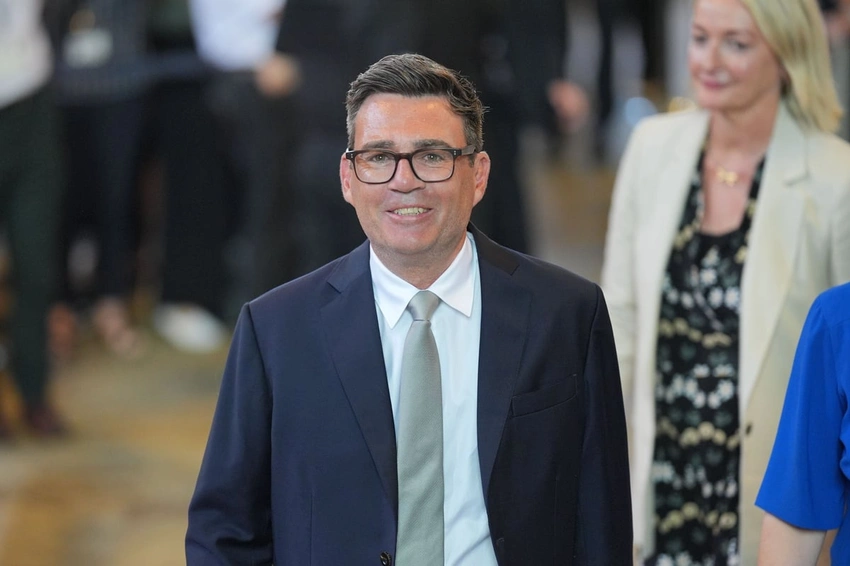
Andy Burnham's Bold Vision: "Manchesterism" Set to Reshape Britain?
Andy Burnham unveils an ambitious plan for a "rewired" Britain, promising housing, reindustrialization, and major constitutional reforms. Is his "Manchesterism" the future or just a showman's dream?
Andy Burnham, often seen as a prime minister presumptive, recently articulated a sweeping vision for the UK, coining the term "Manchesterism" during a speech at the People’s History Museum in Manchester. Clad in what he dubbed his “Manchester clothes,” Burnham invited Britain to "imagine good growth in every postcode, hope in every heart," a lyrical flourish he found so compelling, he repeated it. His proposals are nothing short of radical, outlining a 10-year mission aimed at bringing the "biggest change in our lifetimes to the way the country is run."
At the heart of "Manchesterism" are several ambitious pledges. Burnham promised the “biggest council house programme since the war,” aiming to provide a council house or flat to all who need one. This commitment goes beyond the 1.5 million total units pledged by Sir Keir Starmer and even seeks to exceed the 425,000 peak of annual construction achieved in the 1960s. Beyond housing, his vision includes a reindustrialized and “rewired” British economy and a “No 10 North” tasked with driving forward wide-ranging constitutional reforms to transform the UK. He spoke of the “biggest rebalancing of power our country has seen,” a slogan reminiscent of revolutionary fervor.
The audience, largely comprised of Labour and soft Left supporters, enthusiastically received his address. While many of his aspirations might echo those found in Sir Keir Starmer's more pragmatic renditions, Burnham presents a noticeable upgrade in public image, oratorical skill, and communication style. He is perceived as more quick-witted and possesses an easier manner than Starmer, often seen delivering speeches with his tie removed as his only concession to modernity. However, the path to implementing such transformative changes faces significant hurdles, particularly in securing cross-party support from figures like Kemi Badenoch or Nigel Farage, which he acknowledges as unlikely.
Burnham astutely observes that parliament has become a “fragmented, disjointed place” since his time within it. His grand propositions, while resonating deeply with his core audience, highlight a critical challenge: the delivery of such ambitious promises in a fractured political landscape. The question remains whether his powerful rhetoric and grand vision can truly be translated into tangible change, or if "Manchesterism," despite its allure, will remain an idealistic aspiration.
