Historic Israel-Lebanon Peace Deal Signed, But Hezbollah Warns of Civil War
Historic Israel-Lebanon Peace Deal Signed, But Hezbollah Warns of Civil War
US-brokered agreement signed between Israel and Lebanon aims for lasting peace and security in the region. However, Hezbollah rejects the deal, raising significant concerns about its implementation.
Israel and Lebanon have formally signed a framework agreement in Washington, following several days of intense negotiations brokered by the United States. US Secretary of State Marco Rubio announced the agreement, expressing optimism that it would lay the groundwork for lasting peace and security in the volatile region.
The comprehensive 14-point framework outlines a mutual affirmation of both states' right to "live in peace" and a shared "desire to live in security as neighboring sovereign states." Key provisions include a commitment to cease all hostile or adverse actions in international political or legal forums and pledges to work towards the release of detainees and the return of any remains. Importantly, the agreement also acknowledges the inherent right of both governments to defend themselves.
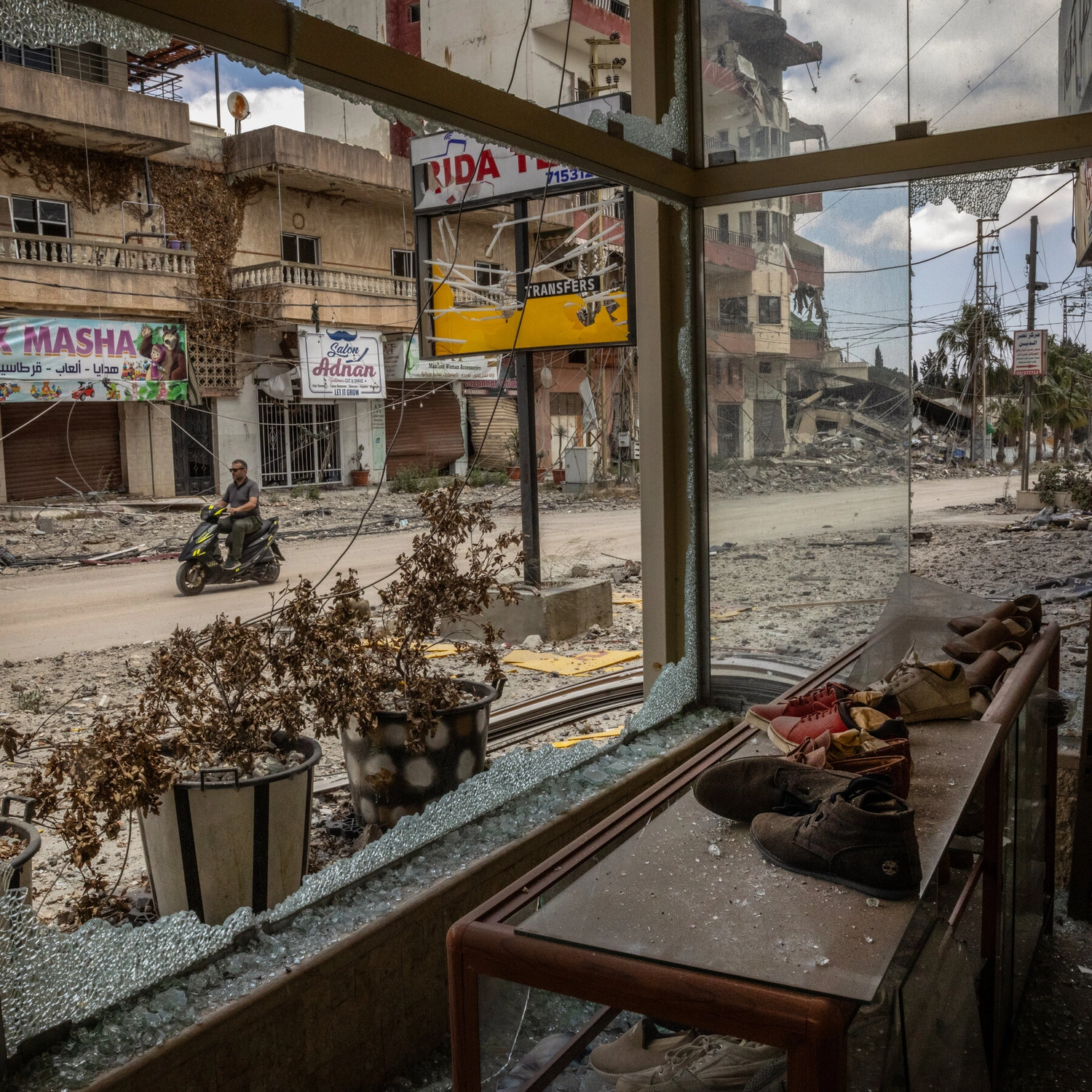
However, the path to peace remains fraught with challenges. Despite an existing ceasefire, limited fighting has persisted between Israeli forces and the Iranian-backed Hezbollah in southern Lebanon. A critical point of contention is that Hezbollah, a dominant non-state actor in Lebanon, was not party to this new agreement. The group has outright rejected the deal, issuing stark warnings of a potential civil war, casting a shadow of uncertainty over the framework's effectiveness.
A central tenet of the agreement hinges on the Lebanese Armed Forces (LAF) restoring effective sovereign authority over all Lebanese territory. This is contingent on the "verified disarmament of non-state armed groups and dismantlement of associated infrastructure"—a clear reference to Hezbollah. Lebanon has specifically requested support from international partners, particularly Arab nations under US leadership, to achieve this goal. A US-supported military coordination group is also slated for establishment to aid in the framework's implementation.
Washington has voiced concerns that ongoing tensions between Israel and Hezbollah could undermine broader regional peace initiatives. The success of this framework heavily relies on whether Hezbollah will agree to withdraw its fighters from the South Litani area in southern Lebanon and eventually disarm. The agreement represents a significant diplomatic step, yet its future remains precarious given the powerful opposition from Hezbollah.
#IsraelLebanonPeace #MiddleEastDiplomacy #HezbollahRejection
