Trump to Shrink Utah Monuments Again! 🏞️ What's Next for Protected Lands?

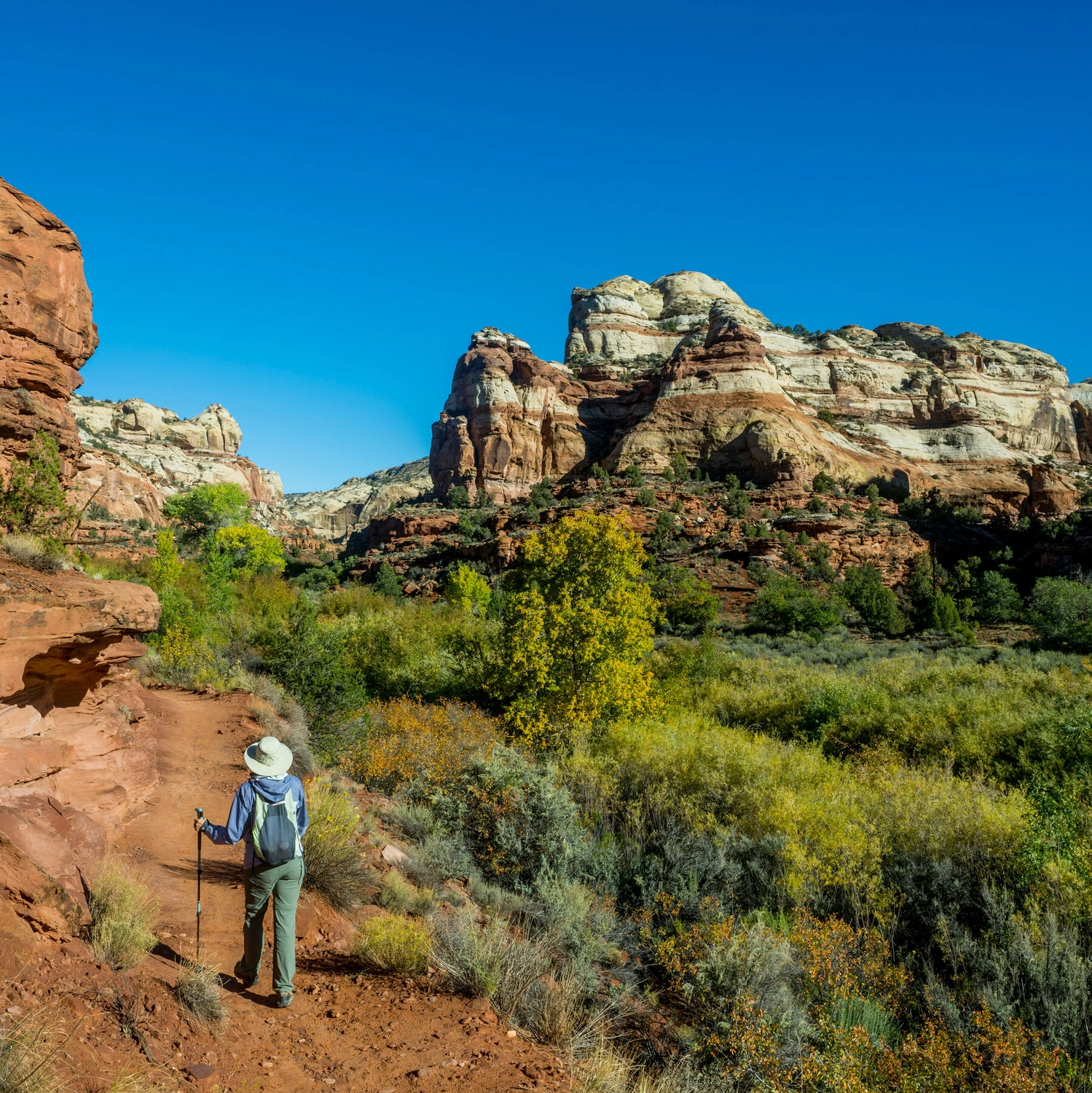
Trump to Shrink Utah Monuments Again! 🏞️ What's Next for Protected Lands?
President Trump announces plans to reduce Bears Ears & Grand Staircase-Escalante monuments in Utah. This controversial move reopens debate on public land protection & presidential powers. #NationalMonuments
President Donald Trump has announced his intention to significantly scale back the size of two major national monuments in Utah: Bears Ears and Grand Staircase-Escalante. This move marks a contentious revisiting of actions taken during his first term, which were subsequently reversed by his successor, President Joe Biden. The decision reignites a long-standing debate over the management of public lands and the extent of presidential authority under the 1906 Antiquities Act.
The Antiquities Act grants presidents the power to designate national monuments to protect areas of cultural, historic, or scientific interest. While past presidents have used this act to establish numerous protected sites, the authority to reduce or revoke such designations has been a frequent point of legal and political contention. Trump's current proposal directly challenges the proclamations made by previous administrations that deemed these specific Utah sites worthy of robust preservation.
Bears Ears and Grand Staircase-Escalante are vast and ecologically significant areas, renowned for their stunning natural landscapes, geological formations, and immense archaeological value. They also hold deep cultural and spiritual importance for several Native American tribes, who consider these lands ancestral homelands. However, these monuments also encompass valuable natural resources; Grand Staircase-Escalante is known to contain large coal reserves, while the Bears Ears area has uranium deposits, adding another layer of economic and political interest to their status.
During his first term, Trump similarly reduced the size of these two monuments, alongside other minor actions under the Antiquities Act, such as dedicating the Camp Nelson National Monument in Kentucky. His successor, President Biden, reversed these reductions, explicitly citing the spiritual, cultural, and prehistoric legacy of Bears Ears and Grand Staircase-Escalante. Biden has also expanded the national monument system, establishing ten new monuments, including historically significant sites like a 1908 race riot location in Springfield, Illinois, and a monument honoring Mamie Till-Mobley and Emmett Till.
The recurring tug-of-war over these Utah monuments underscores how national monument designations have evolved into a significant flashpoint in American land management policy. With each new administration, the fate of these protected areas, and the balance between conservation, resource extraction, and indigenous rights, remains subject to intense political scrutiny and legal challenges. This latest announcement from President Trump ensures that the debate over public lands in the American West will continue to be a prominent issue.
