Intel Stock Drops Sharply After Soft Q1 Guidance

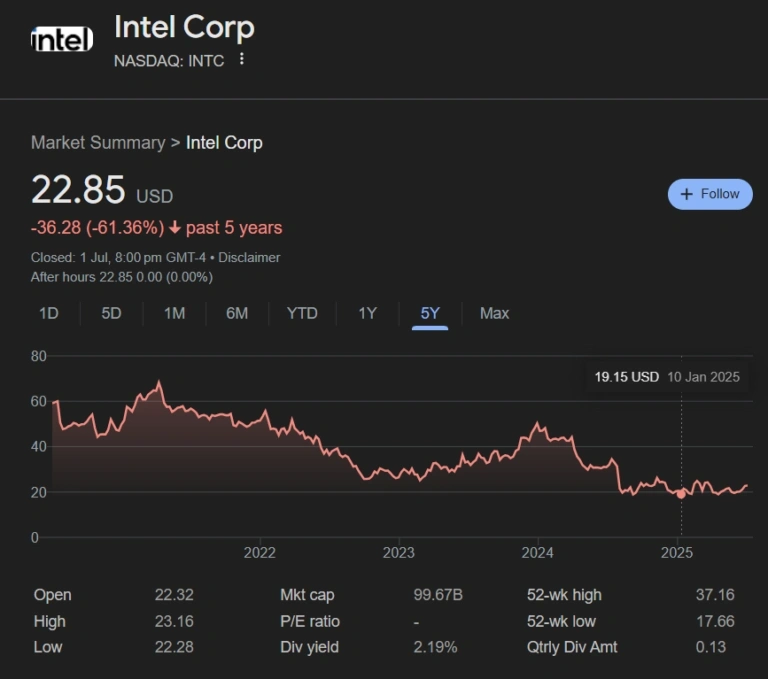
Intel Stock Drops Sharply After Soft Q1 Guidance
Intel shares tumble after a solid quarter but soft guidance sparks questions about the turnaround amid manufacturing troubles.
Intel's stock took a sharp turn lower in heavy trading after the company posted solid fourth-quarter results but offered soft guidance for the current quarter. The move highlighted a broader pattern of volatility in the chip sector, where investors reward short-term beats but balk at guidance that implies a slower near-term trajectory. The market reacts quickly when management signals a softer path ahead, even as the company touts progress on its long-term roadmap.
On the back of a rally that had pushed the shares higher over the past year thanks to bets tied to government investments, SoftBank, and Nvidia, the latest drop underscored how quickly sentiment can reverse in the chip industry. The stock’s decline has been described by observers as among the more dramatic moves in years, reflecting a combination of earnings visibility and questions about execution timing as manufacturers work to scale advanced fabrication processes.
Manufacturing troubles are at the center of investor concern, with questions about factory uptime, yield, and the pace of a costly ramp in cutting-edge fabrication nodes. Analysts warn that even with an earnings beat, the cost and risk associated with rebuilding a competitive manufacturing base can temper near-term profitability. The market is weighing whether the current guidance is a temporary pause or a signal of a more extended challenge in the supply chain and production cycle.
Analysts point to a tricky mix of ongoing cost pressures and the need to deliver meaningful progress on the road map, emphasizing that a single quarter of softer guidance doesn’t erase long-term potential. If Intel can stabilize operations and hit key manufacturing milestones, the stock could regain momentum as demand for semiconductors remains resilient in several sectors. Until then, near-term investors will be watching for signs of improvement in yields, capacity utilization, and the direction of margins as the company navigates its next set of milestones.
Looking ahead, traders will watch the next earnings cycle for signs of improvement, updates on capacity upgrades, and any shifts in the company’s plan to return to sustainable profitability amid a competitive landscape.
