US-Israel strikes fail to crush Iran command; Tehran bunker battle continues

US-Israel strikes fail to crush Iran command; Tehran bunker battle continues
As clashes persist, US and Israel say strikes target Iran's military leadership, but Tehran reports show the underground bunker remains operational and casualties rise.
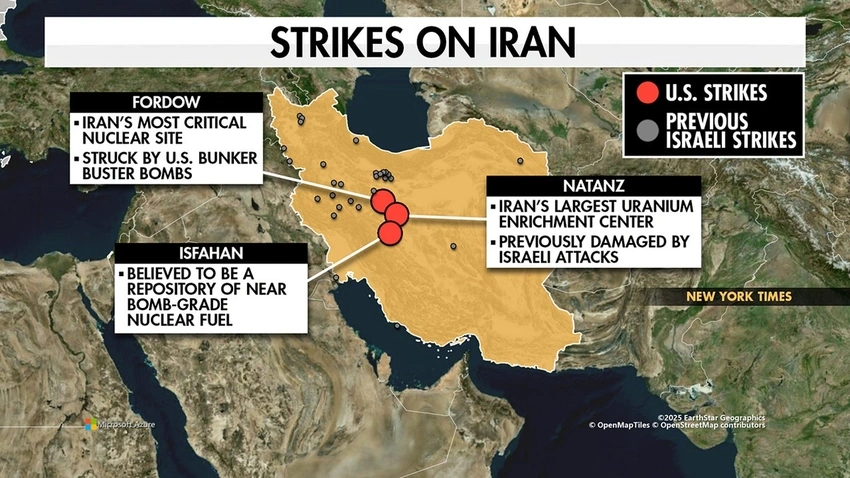
In a new flare-up of the region's war, reported airstrikes targeted what officials described as Iran's military command. Accounts indicate as many as 50 Israeli jets hit an underground bunker near Tehran, aiming to cripple the leadership guiding Iran's war effort. The initial assessments have sparked concern about how quickly such hits can translate into decisive military gains, with observers noting that subterranean facilities complicate the task of neutralizing command and control networks. The violence has already disrupted daily life for civilians and drawn in international calls for restraint, though details on damage and exact casualties remain contested.
Despite these claims of success from allied forces, Tehran maintains that the strikes have not destroyed the command structure or halted its operations. Officials have emphasized that Iran's military and security apparatus can adapt quickly to aerial disruption, and that underground facilities and dispersed command centers continue to function. The narrative from both sides illustrates how airpower alone may struggle to deliver a decisive knockout, potentially prolonging a cycle of retaliation rather than ending the conflict.
So far, at least 1,332 people across Iran have been killed since the war began, according to the latest figures from Iranian state media outlets.
The broader impact of the strikes reverberates beyond the battlefield, as regional analysts warn that repeated air campaigns risk entrenching hardline positions and fueling further escalation. While military planners weigh next steps, diplomats and humanitarian groups are urging de-escalation and a renewed push for dialogue to prevent further civilian tragedy.
