Is the Beast Mode Trend Killing Our Favorite Actors? The Cost of Movie Transformations

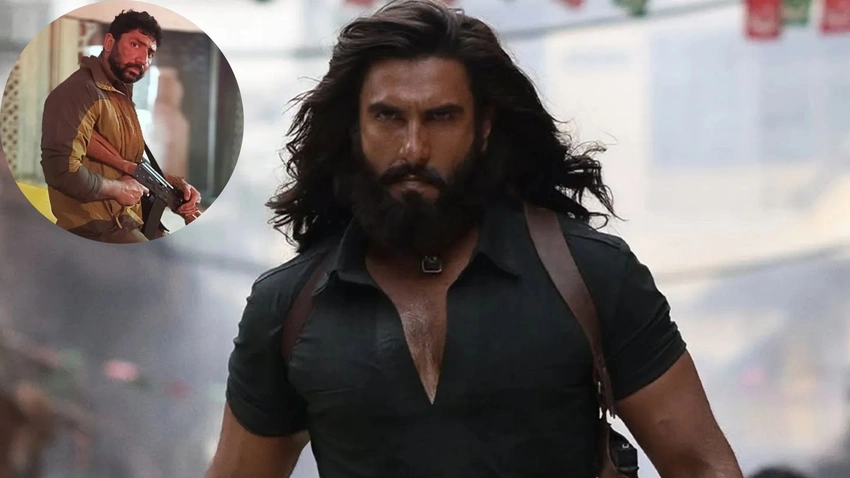
Is the Beast Mode Trend Killing Our Favorite Actors? The Cost of Movie Transformations
From 4,500-calorie diets to 10kg gains in six weeks, the pressure on actors to transform is at an all-time high. Is the physical toll worth the cinematic glory? Let's dive in.
We see the posters and the trailers, and we marvel. A lean actor suddenly looks like a Greek god or a massive beast. It is the stuff of Hollywood legend, and now, it is the standard in global cinema. But as we cheer for these beast mode transformations, we rarely ask what happens to the human being inside that suit of muscle.
Take a recent industry transformation where an actor packed on 10 kilograms in just six short weeks. To the average gym-goer, that sounds like a miracle. To a health professional, it sounds like a massive strain on the human system. We are talking about consuming over 4,000 calories every single day. That is not about enjoying gourmet meals; it is about force-feeding yourself chicken, rice, and protein shakes for 45 minutes at a time. It turns the simple act of eating into a grueling chore, a mechanical process that strips away the joy of food.
The Physical and Mental Toll
Then there is the physical workload. To stay mobile while bulking, actors are often pushed through hours of ancient martial arts like Kalari in the morning, followed by heavy weight training in the evening. The goal is to look massive without looking stiff. But when does the pursuit of the perfect cinematic body cross the line into obsession?
The entertainment industry often praises stars for being like machines. While dedication is admirable, machines do not have mental health. Humans do. The pressure to look a certain way for a three-month shoot can lead to body dysmorphia and a warped relationship with fitness. When the cameras stop rolling, the weight often fluctuates wildly, which is incredibly taxing on the heart and metabolism.
Setting Unrealistic Standards
Beyond the actors, there is the audience. When fans see these six-week miracles, they often feel inadequate. They do not see the team of world-class trainers, the calculated meal plans, or the fact that this is the actor's full-time job. It creates a culture where health is sacrificed at the altar of aesthetics.
We need to start valuing the performance more than the biceps. If an actor has to push their body to the breaking point just to play a role, perhaps we should question the script rather than celebrate the sacrifice. Transformation is a tool of the craft, but it should not be a hazard to one’s life.
